


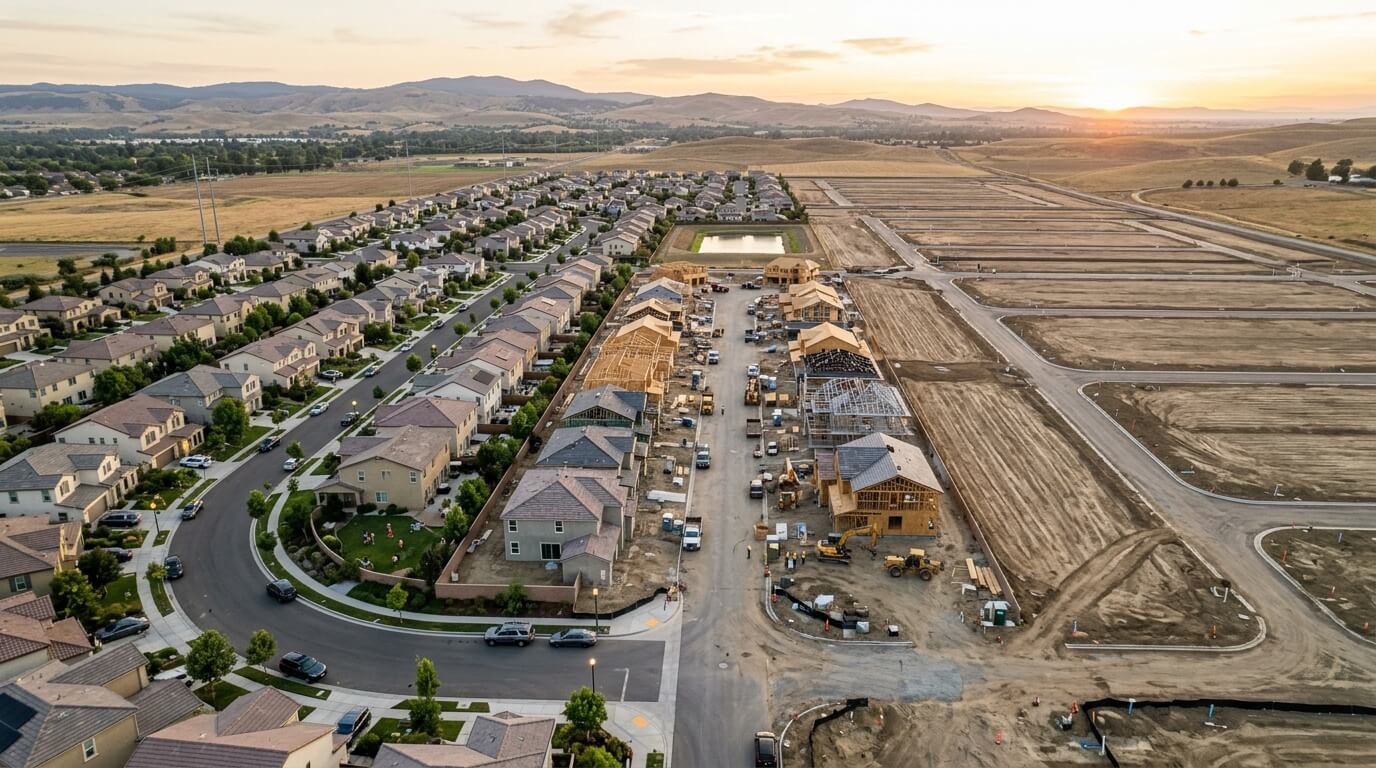
The U.S. housing shortage continues to grow—and the latest estimate puts the gap at more than 4 million homes.
New research shows that housing construction once again fell short of household formation in 2025. About 1.41 million households formed while only 1.36 million homes were started, adding to a deficit that has been building for more than a decade.
Even when supply and demand appear roughly balanced in a given year, the size of the existing shortfall means the market keeps falling behind.
The result is a structural shortage.
Another revealing signal: researchers estimate roughly 1.8 million potential Gen Z and millennial households are “missing.”
These are individuals who may feel punished by the housing shortage because they would normally form households but remain with parents, relatives, or roommates because housing remains too expensive or too scarce.
For builders, this matters.
It means demand hasn’t disappeared—it’s delayed.
Millions of potential buyers are effectively waiting on the sidelines until affordability improves or supply increases. When conditions shift even slightly, those households can quickly re-enter the market.
The shortage also explains why prices remain resilient even when sales slow. With vacancy rates still well below historical norms, housing supply simply isn’t keeping up with long-term demand.
Closing the gap will take time. Even if construction were to increase dramatically, it could take years to meaningfully reduce the deficit.
For builders who can secure capital, control costs, and keep projects moving, the long-term opportunity remains clear: America still needs millions of new homes.