


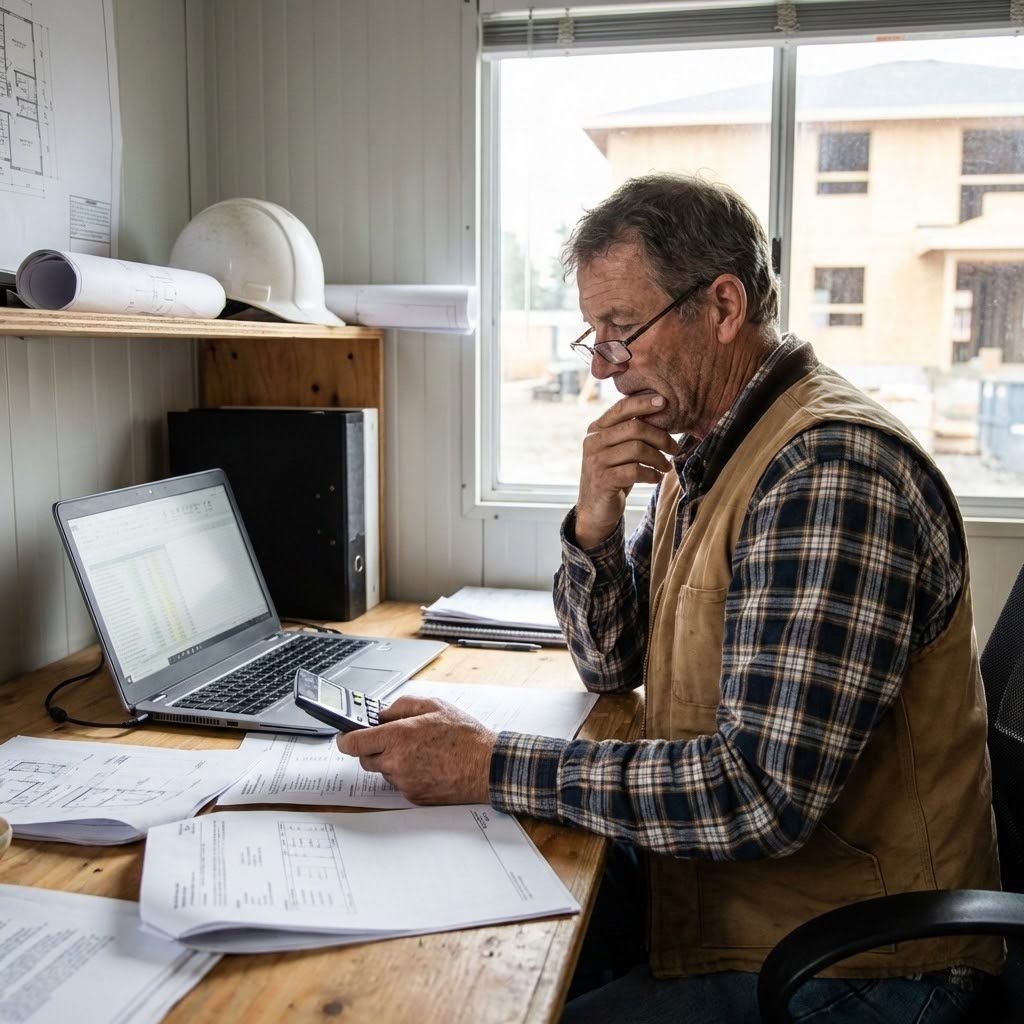
You can have the perfect schedule, locked-in subs, and a dialed-in budget—but if your capital isn’t reliable, none of it holds.
The truth is, most construction loan risks don’t start in the field. They start with financing.
When capital doesn’t show up the way it’s supposed to, everything else—your timeline, your crews, your margins—starts to break down.
The smartest builders stay ahead not by luck, but by knowing what’s coming.
The Impact of Loan Risks on Your Construction Project
Construction loans are built to keep your project moving, but they operate under a different set of rules than traditional financing or fix-and-flip loans.
Unlike fix-and-flip deals that may have one or two simple draws, ground-up construction typically involves multiple draws (maybe even one per week) released in stages. These are tied to specific progress milestones—meaning cash only moves as work is completed and verified.
Any delay in draws, inspections, or documentation doesn’t just hit your bank balance—it can stall subcontractors, disrupt material orders, and put the entire timeline at risk.
Successful builders stay ahead of those pressure points by keeping funding tightly aligned with each phase of the job.
Who Should Worry About These Risks?

If you’re building, developing, or managing ground-up construction projects, these risks matter.
Loan conditions aren’t always managed as closely as they should be, and requirements can change.
It’s not just rookie builders—experienced teams get caught off guard as lender expectations evolve.
Plus, most of these challenges aren’t even isolated problems—they’re chain reactions that start with shaky financing.
The risk increases even more when you’re managing multiple projects, where delays in draws or overspending can impact your overall portfolio.
Risk 1: Cost Overruns and Budget Mismanagement
Cost overruns are among the fastest ways a project can go sideways. And when your financing isn’t adaptable or responsive, overruns don’t just hurt—they stall your ability to keep the project moving.
Budgets are set months in advance, but material costs, labor, and design updates can change in an instant.
When costs exceed your budget, lenders typically won’t cover the gap—you will. And even a small early overrun can put pressure on your revenue stream.
Stay on top of costs and factor in a safety margin from day one to give yourself the flexibility to handle changes without stress.
Risk 2: Delays in Construction Timeline
No project runs exactly on schedule. From bad weather and missing subs to back-ordered materials and unavailable inspectors, delays stack up fast. What feels manageable on its own can become a real problem in combination.
But delays alone aren’t what hurt projects most—it’s how your financing responds to them.
When capital isn’t reliable, a small schedule slip turns into a bigger funding issue. Draws get pushed, cash flow tightens, and suddenly you’re juggling crews and covering costs out of pocket.
On financed projects, interest keeps ticking—even when crews aren’t on site. Go over the schedule, and your lender may require extensions or additional paperwork, adding more friction when you’re already behind.
The key isn’t just managing the schedule—it’s making sure your capital can keep up with it.
Build a buffer into your timeline, stay tight with your subs, and work with a lender who doesn’t slow you down when things shift.
Risk 3: Changing Interest Rates
Most construction loans have variable rates, which means borrowing costs can change mid-project.
On tight margins, even a small rate hike can eat into profitability—and it often comes without warning.
Rate changes are part of the game, but what matters is how your financing holds up when they happen. When capital isn’t structured with that in mind, even a modest increase can start to pressure your cash flow and force tough decisions.
The smart move? Know your loan terms, watch rate trends, and compare financing options before you start. When builders take charge, their margins stay protected, regardless of market swings.
Risk 4: Incomplete or Insufficient Documentation
Lenders run on paperwork. Miss something or hand it in late, and your draw is on hold.
Documentation issues rarely stay isolated—they ripple through the project, idling crews, delaying deliveries, and slowing everything tied to your capital.
That’s where your financing structure matters. When processes are inflexible, even small issues can bring funding to a halt.
Think of documentation as part of construction: stay ahead of requirements and make sure your financing process is built to keep pace.
Risk 5: Unexpected Regulatory or Permitting Issues
Permits and inspections don’t follow your clock. Delays happen.
Zoning hiccups, stalled approvals, and inspector availability can all slow a project. And if regulations change mid-build, what was compliant before may need revisiting—adding time and costs you didn’t plan for.
You can’t control the process—but you can control how exposed you are to it with the right financing.
If your project falls behind but your funding flexes with it, crews keep working and margins stay protected.
Success starts with planning ahead. Check with local authorities early, build real timelines into the schedule, and make sure your financing can shift when the process doesn’t go as planned.
Risk 6: Borrower Credit Challenges
Your credit isn’t just reviewed at closing—lenders can check it at any time during the build.
If your finances shift mid-project, the timing of your draws can be thrown off, putting project momentum at risk.
Builders who protect their bottom line treat credit like a capital tool. They monitor financials constantly, keep books clean, and make sure nothing bleeds over from another project.
Risk 7: Market Fluctuations and Economic Uncertainty
A lot can change between breaking ground and handing over the keys.
Demand can soften, material costs spike, and rates climb—squeezing the margins on a project that looked solid at the start.
But the real risk isn’t just the market—it’s when your financing can’t keep up. Appraisal shortfalls, delays, rate hikes, and cost overruns all hit harder when capital isn’t reliable.
Never be forced to scramble when conditions shift. Protect your project by building flexibility into your plans and working with lenders who can handle bumps in the road.
How to Mitigate Construction Loan Risks

Construction loan risks don’t have to catch you off guard. Budget carefully, know your numbers, and act proactively to stay in control.
Budget Like The Unexpected Is Guaranteed
What’s an easy way to avoid draw delays? Build a detailed budget and track it regularly.
Include a real financial cushion—not just a number to look responsible. Small surprises are manageable, but big ones can throw your cash flow off fast.
Pick The Right Lender, Not Just The Best Rate
Construction loans work differently from traditional financing, and not every lender knows the ropes.
The right lender keeps funds moving, aligns draws with your schedule, and answers the phone when issues arise. The wrong lender becomes just another risk.
Reliable capital is your most important tool. With it, you stay in control—even when the unexpected hits.
Keep Everyone In The Loop
Delays often start with a communication breakdown—subs, suppliers, inspectors, or lenders out of sync can quickly ripple through your schedule and funding.
Stay ahead by giving proactive updates, flagging issues early, and aligning your funding with each project stage.
That way, draws move smoothly, crews stay busy, and minor hiccups don’t become major setbacks.
Know the Risks and Build Smarter With Sound Capital

Funding that doesn’t keep pace is where most risks begin. Everything else—delays, cost overruns, and schedule holdups—just dominoes from there.
Builders who stay ahead don’t wing it. They plan strategically, track every draw, and make sure financing shows up as expected.
At Sound Capital, we’re not another risk to manage. We’re a partner who keeps your funding in lockstep with your project, so cash never slows you down.
With fast approvals, high leverage, and draws synced to your timeline, you reduce surprises and stay on schedule from start to finish.
Ready to take control of your financing? Get a no-hassle term sheet now, or download our Smarter Financing Guide to see exactly what you need to know before signing a loan, pulling a permit, or breaking ground.