


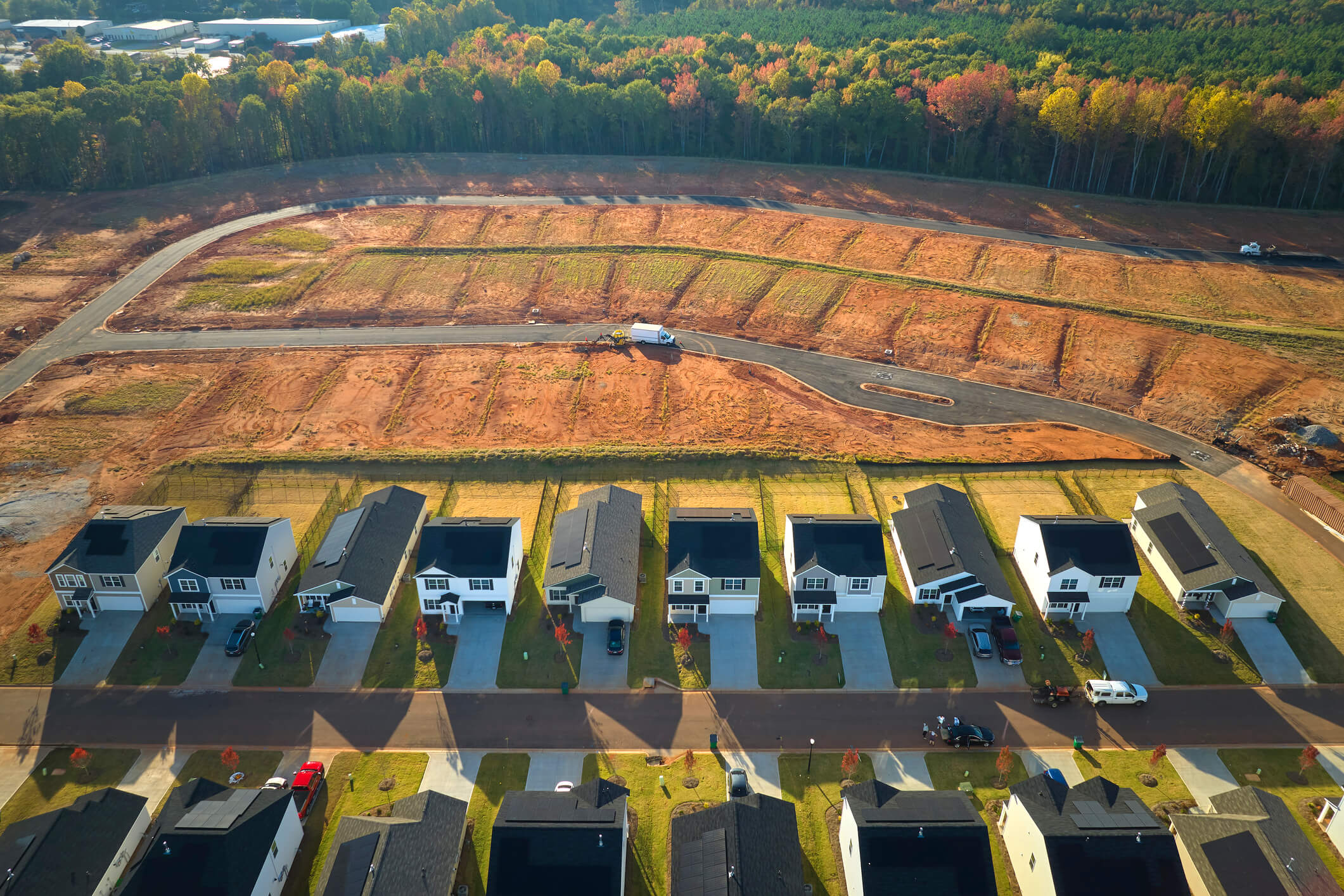
We may not know what the housing market will look like next spring, but America’s homebuilders are already betting. And judging by their October construction starts, they’re not particularly optimistic.
New-home starts per community fell 22% from September to October, according to The Wall Street Journal’s analysis of recent John Burns Research and Consulting data. Since 2012, the average seasonal decline during that period has been just 3%.
That’s a significant departure from normal.
Why does it matter? Because builders operate on a different timeline than existing homeowners. A homeowner can decide to list a property when market conditions improve. A builder has to commit capital, secure materials, and schedule trades months before knowing what the market will look like when the home is ready to sell.
With large builders typically needing four to six months to complete a home, October’s construction decisions offer a glimpse into expectations for spring 2027—a selling season that historically accounts for nearly 40% of annual new-home purchases.
The Inventory Problem
Builders have good reason to be cautious.
According to the Journal, completed, unsold homes per community are running approximately 50% above normal seasonal levels. Mortgage rates remain elevated, buyers are reluctant to commit, and existing-home sellers are increasingly competing for their attention.
Starting another home under these conditions means more than taking a chance on future demand. It means committing capital that could otherwise help carry existing inventory, pursue a better opportunity, or protect the business against an extended slowdown.
But builders should be careful not to draw the wrong conclusion from the industry’s retreat.
Caution Isn’t the Same as Standing Still
Large production builders must make decisions across entire communities, often balancing hundreds or thousands of homes against companywide inventory targets. Smaller builders have a different advantage: the ability to be selective.
A well-located lot, a product designed around local purchasing power, or an underserved price point could still represent a compelling opportunity—even in a market where national builders are reducing starts.
The question isn’t whether you should build next spring. It’s whether the specific home you’re considering can succeed under the conditions you’re likely to encounter. That means stress-testing your exit strategy, accounting for longer holding periods and understanding what your prospective buyer can actually afford.
The industry’s October pullback is a signal worth watching. But it isn’t a prescription for every builder.
The advantage in a difficult market doesn’t necessarily belong to the builder who builds the least. It belongs to the builder who makes the best decisions about what to build, where to build it, and when to commit capital.
Read the original here: Hoping to Sell Your Home in the Spring? It’s Not Looking Good