


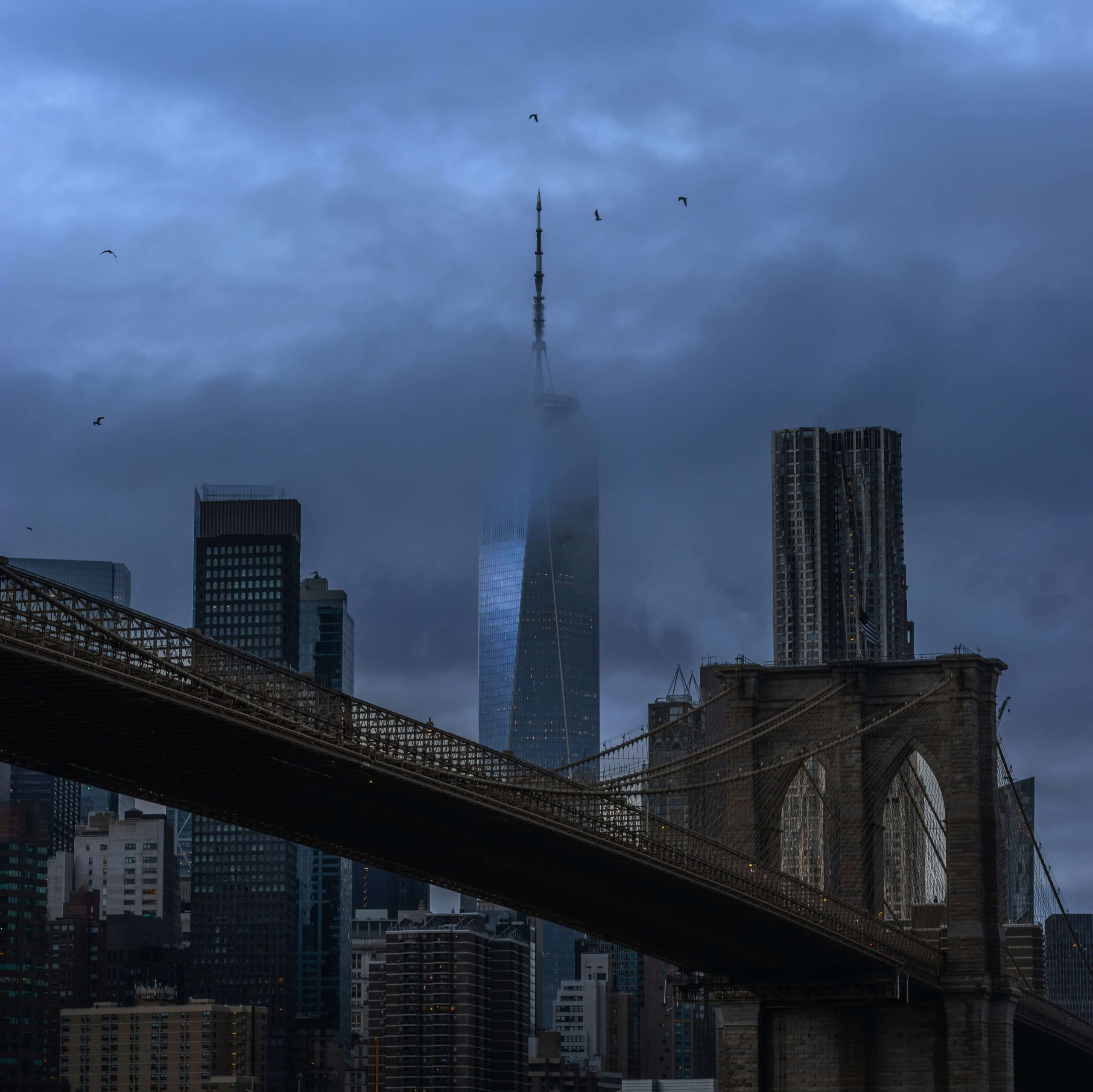
When John Roebling began designing the Brooklyn Bridge in the 1870s, New York was changing faster than anyone could keep up with.
Immigration was reshaping the city, and commerce was exploding. Neighborhoods were spilling outward in every direction. No one knew what New York would look like fifty years later—only that the future was coming hard.
So what did Roebling do? He built for the unknown.
He overengineered a bridge strong enough to carry generations he would never meet. A bridge that outlasted the Great Depression, two World Wars, a booming population, 9/11, and every demographic and economic shift that followed.
A bridge built for a city that didn’t exist yet.
Builders do the same thing today.
Every foundation you pour, every floor plan you draw, every home you bring out of the ground—it all reaches forward into a future that’s still forming.
Demographics shift. Birth rates rise and fall. Boomers age out of homeownership. Younger buyers choose smaller, smarter homes. But builders remain the steady hands shaping where America will live next.
It seems like all of the stories we read this week echo that truth: the country is changing again. Demand is bending, preferences are evolving, and the next generation of homebuyers will want something different from the last.
That’s not a warning.
It’s an opportunity—because builders are one of the few groups who can adapt quickly enough to meet a shifting America—and one of the even fewer who have always done it.
And we’re committed to being the partner standing with you as you build the next span forward.

