


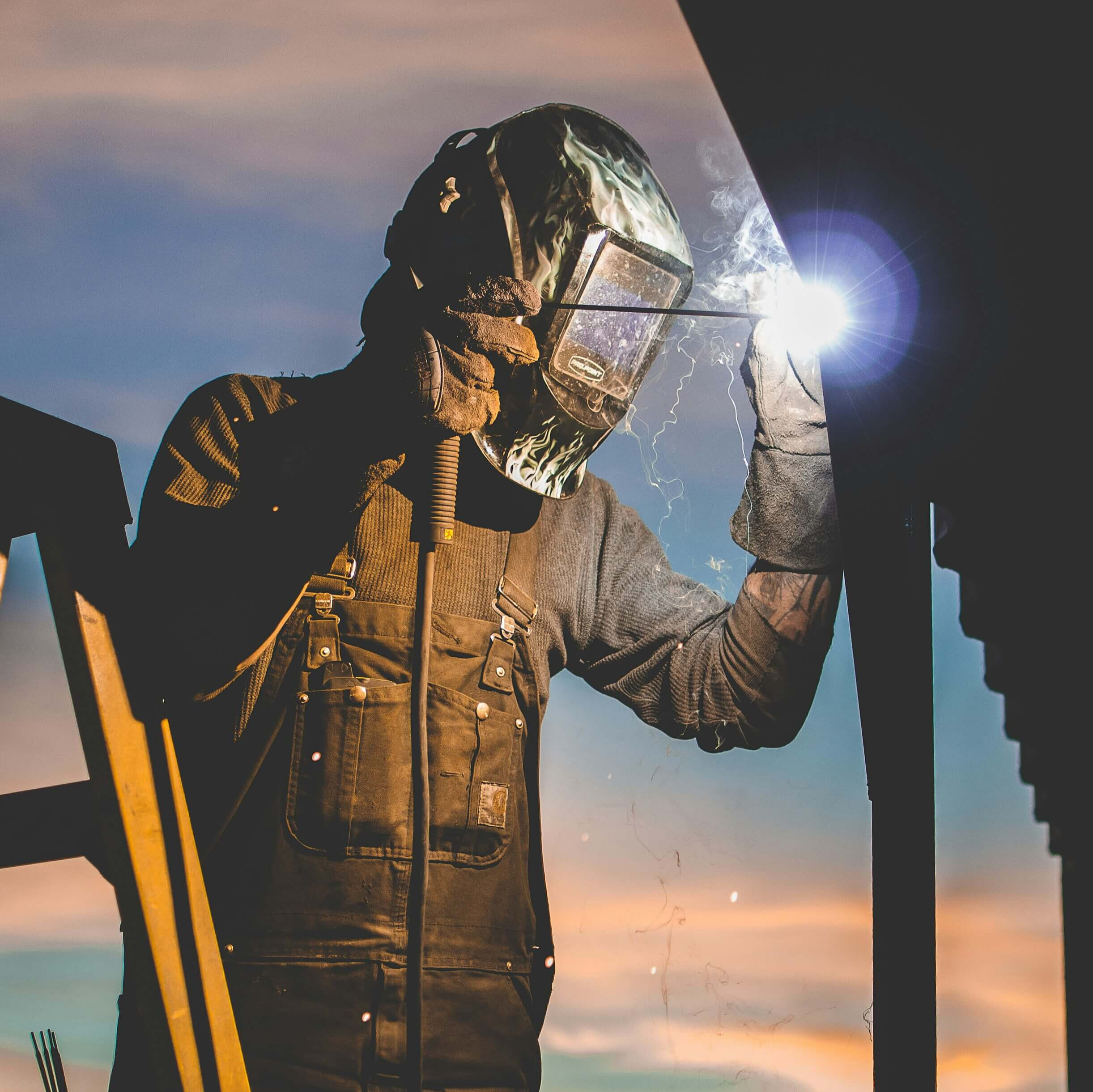
After reading a recent Washington Post piece on shifting labor trends, one thing became clear: the trades didn’t disappear—they were pushed aside. Here’s what did it.
- “College for everyone” became the default script
Starting in the ’80s, success got narrowly defined. If you were smart or ambitious, you were pointed toward a four-year degree. Other paths barely got mentioned. - Manufacturing’s decline poisoned the well
As factories closed and jobs moved overseas, blue-collar work got lumped together as unstable—even when many trades didn’t fit that story at all. - Vocational programs sent the wrong signal
Too many early tech and shop programs were underfunded, disconnected from real careers, and vulnerable to downturns. That made them look like dead ends instead of launchpads. - We assumed machines would replace hands
Computers showed up, automation took off, and people decided physical work was temporary. Office jobs felt “safe.” Turns out that confidence was misplaced. - Non-college paths picked up a stigma
Trades were framed as the option for kids who “couldn’t cut it,” not as skilled, disciplined work that builds real value. - Student loans hid the math
Easy credit made college feel affordable—at least at first. The ROI question got postponed for a generation. - No one explained the upside
Young people didn’t see the full arc: apprentice → master → owner. Meanwhile, white-collar careers came with neat flowcharts and titles. - Credentials mattered more than contribution
Degrees became stand-ins for intelligence and worth, even when the work itself didn’t demand one.
Taken together, these forces didn’t diminish the value of the trades—they obscured it. That narrative is starting to change.
Rising college costs, growing student debt, and uncertainty in white-collar career paths are forcing a broader reconsideration of what “good work” looks like.
At the same time, the skilled trades—construction included—are reasserting something they never lost: economic relevance, durability, and dignity.
This shift isn’t just cultural. It’s structural.
You don’t ever have to worry about AI framing a house, running electrical wire, or installing drywall. Communities are built by people with skills, judgment, and experience. It’s the genius that can’t be replaced.
And as technology reshapes office work, the trades remain grounded in physical reality—where outcomes are visible, value is tangible, and progress is measured by what is built.
For builders, this matters deeply.
Labor shortages are not simply a numbers problem; they are a perception problem decades in the making.
When young people view the trades as a dead end rather than a career path, supply suffers. When they see ownership, mastery, and long-term opportunity, the pipeline changes.
What’s emerging now is not a reversal of higher education, but a rebalancing. A recognition that prosperity doesn’t come from credentials alone—it comes from contribution.
Builders sit at the center of this shift. Not just as employers, but as stewards of an industry that creates work, wealth, and shelter at the same time.
The renewed attention on the trades isn’t nostalgia. It’s realism—catching up with the work that’s always mattered.