


Modular construction has long promised to build homes faster, reduce reliance on labor, and bring manufacturing efficiency to an industry still dominated by site-by-site production.
But the model has also faced a persistent problem: large factories require significant capital, steady production volume, and enough nearby demand to keep the facility running. Transporting finished components over long distances can further erode the anticipated savings.
Reframe Systems is testing a different approach.
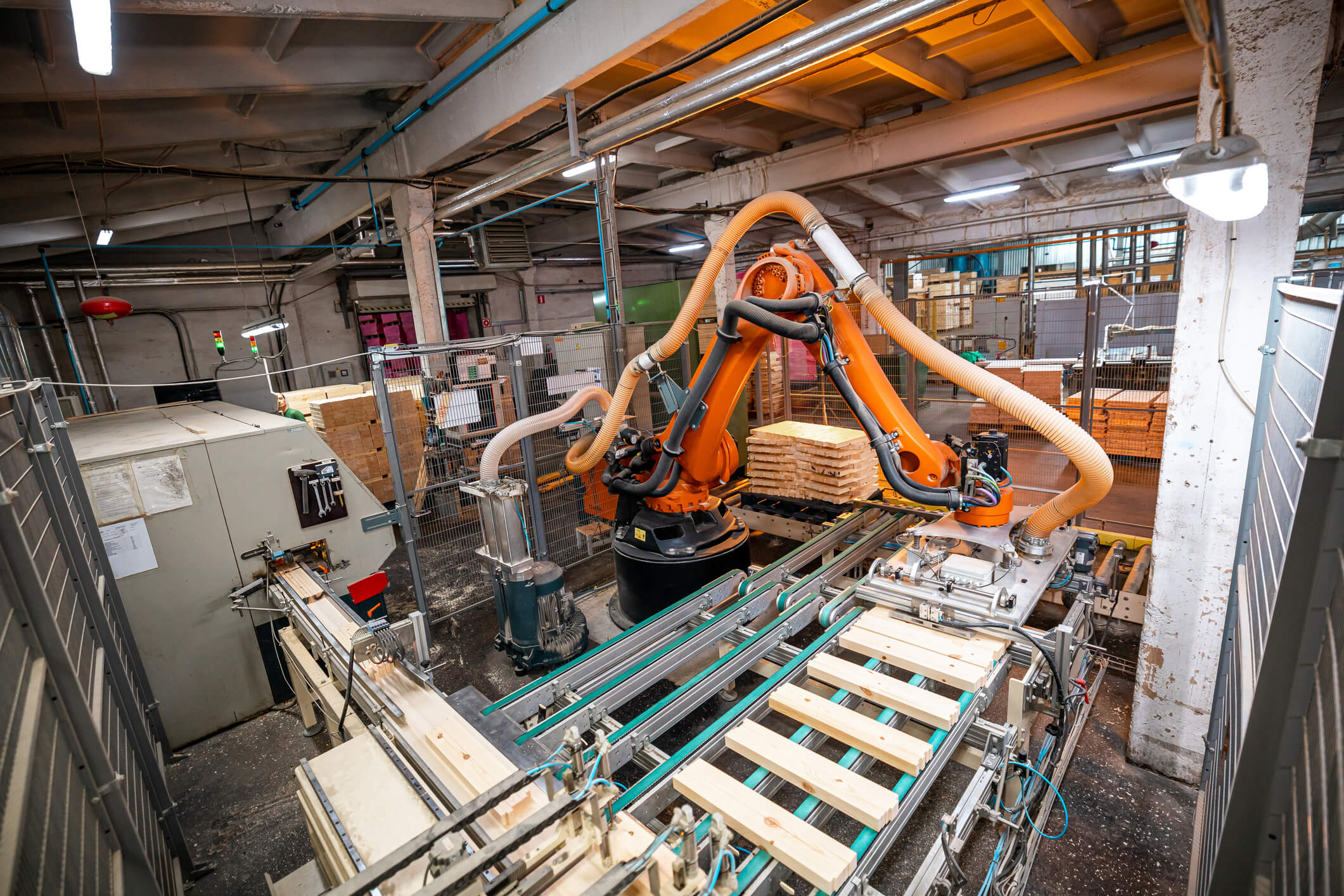
As HousingWire recently reported, Reframe has raised $40 million to expand a network of smaller, robotics-enabled homebuilding factories located closer to demand centers. The company says these “microfactories” can deliver homes up to three times faster and at 35% lower cost than conventional construction.
Its newest facility in Billerica, Massachusetts, may provide an important test. Reframe says the factory requires less than $5 million in equipment but could produce up to 500 multifamily units or 250 single-family homes annually.
If those economics hold, the model could address one of modular construction’s biggest limitations. Instead of relying on a few large plants serving broad territories, builders could access smaller factories tailored to individual markets, local building codes, climate conditions, and regional architectural preferences.
The potential benefits extend beyond construction costs. Shorter cycle times could reduce interest expense, carrying costs, and exposure to market changes while homes are being completed. Automation could also reduce dependence on scarce skilled labor, while standardized digital instructions make field assembly easier to repeat.
But the claims remain largely unproven at scale. Reframe has completed only 10 homes and plans to deliver another 114 units over the next year. Builders should watch whether the company can maintain its projected costs and schedules as production grows—and whether its homes consistently pass inspections, meet local requirements, and satisfy buyers.
The signal is not simply that another modular company has raised money. Distributed microfactories may offer a more flexible path to industrialized construction than the massive centralized factories that came before them.
The next year should reveal whether that promise survives the transition from a handful of homes to repeatable production.
Read the full article here: Reframe Systems raises $40M to scale modular microfactories