


The generational transition in construction is often framed as a labor shortage: experienced workers are retiring faster than the industry can replace them.
But another risk may be just as important. Much of that experience has never been documented.
Veteran superintendents and builders often carry decades of practical knowledge in their heads—how to identify a problem early, sequence a difficult job, handle a subcontractor, or keep a project moving when the original plan breaks down. When those people retire or simply step away from a project, that knowledge can leave with them.
Gen Z may be uniquely positioned to help preserve it.
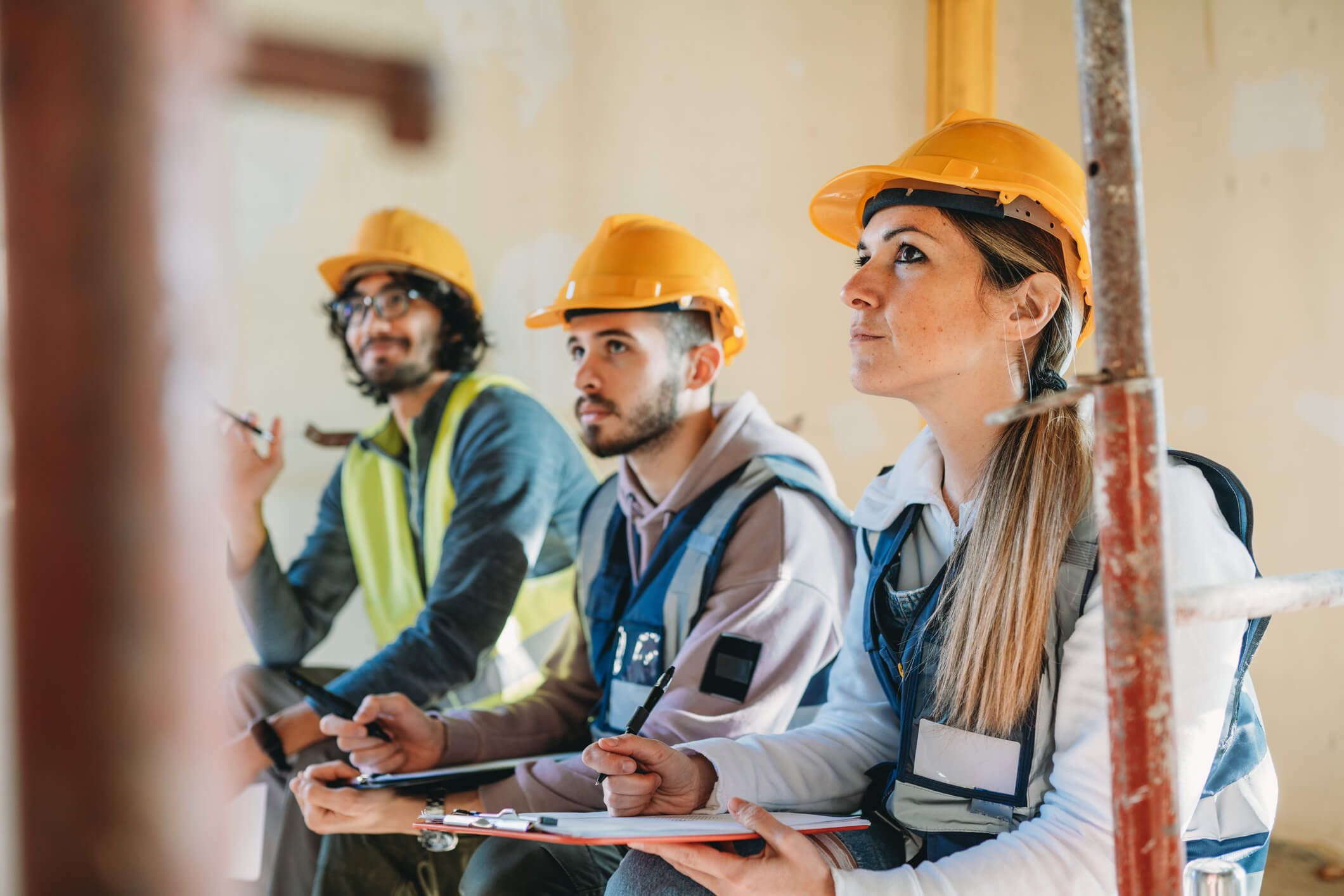
Younger construction professionals may lack the field judgment of their senior colleagues, but they are often more comfortable with the software and digital processes that can capture, organize, and distribute their colleagues’ knowledge. That creates an opportunity for “reverse mentoring”: veteran employees teach the craft, while younger employees help translate that experience into documented and repeatable systems.
The signal for builders isn’t merely that younger employees can introduce new technology. It’s that they may help companies retain institutional knowledge before it disappears. The builders who manage this exchange could intentionally become more resilient, easier to scale, and less dependent on any one person.
Read the full article on ProBuilder: Generation Toolbelt: Gen Z builders know tech. They’re ready to teach — and learn