
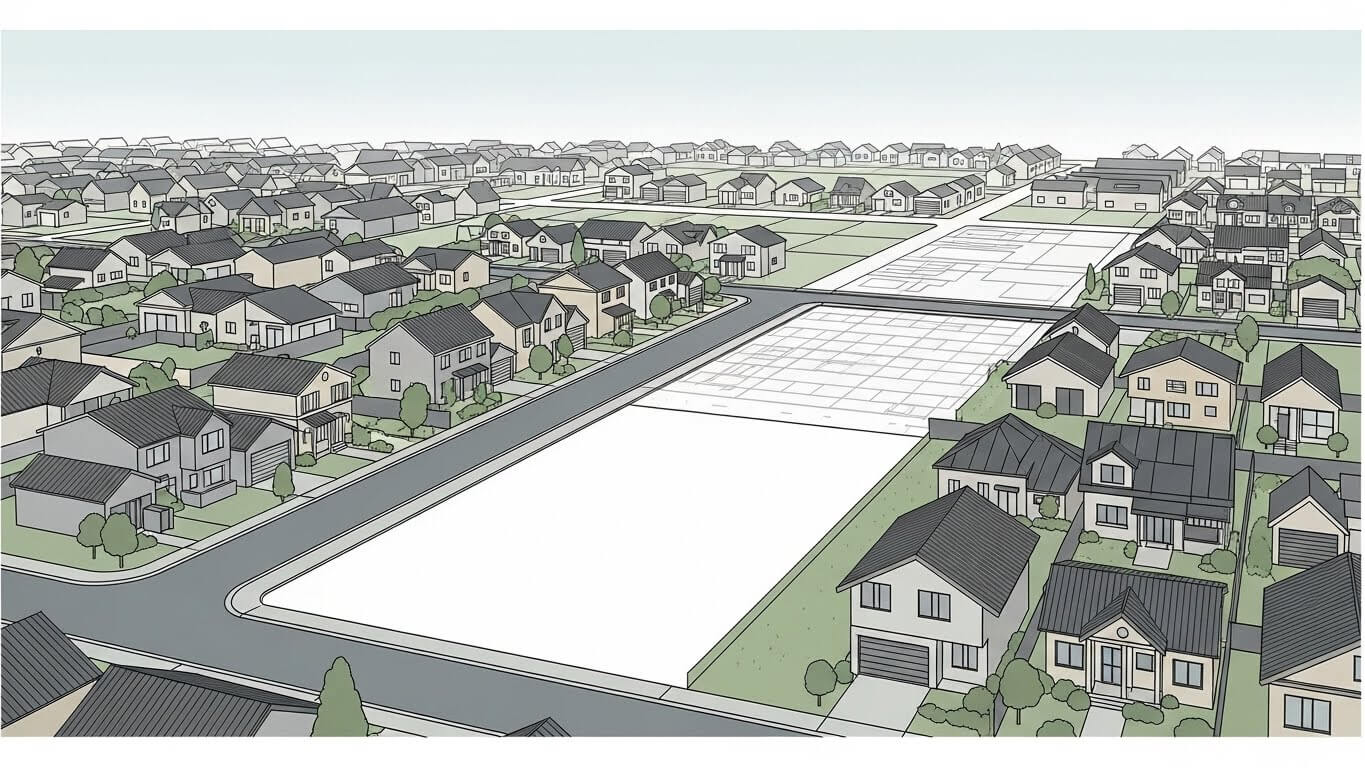
If you read the headlines, housing affordability looks like a buyer problem.
- Prices are too high.
- Rates are too painful.
- Competition is too intense.
All true—and all incomplete.
What most coverage misses is the root cause of those pressures: the U.S. doesn’t have enough homes.
After more than a decade of underbuilding following the Great Recession, the country is short millions of units. Pandemic-era mortgage rates then froze existing homeowners in place, tightening supply even further.
That’s why affordability has collapsed even as demand cools. When inventory is scarce, every shock gets amplified. Higher rates don’t lower prices—they force buyers to crowd into the smallest slice of the market. Wage growth can’t catch up and falls further behind. And even affordable metros start to feel competitive and unforgiving.
This isn’t a market malfunction. It’s math.
And it puts builders in a different position than the headlines acknowledge.
Builders aren’t reacting to the affordability crisis. They’re carrying it.
Every permit pulled, every slab poured, every home delivered adds pressure relief to a system that badly needs it. Regions seeing the most affordability resilience today aren’t the ones with clever policies or better sentiment—they’re the ones still building.
The conversation keeps circling rates and prices. But the real fix hasn’t changed.
Affordability doesn’t improve when people wait. It improves when homes get built.
See the data behind the headlines in Bankrate’s full analysis.
