


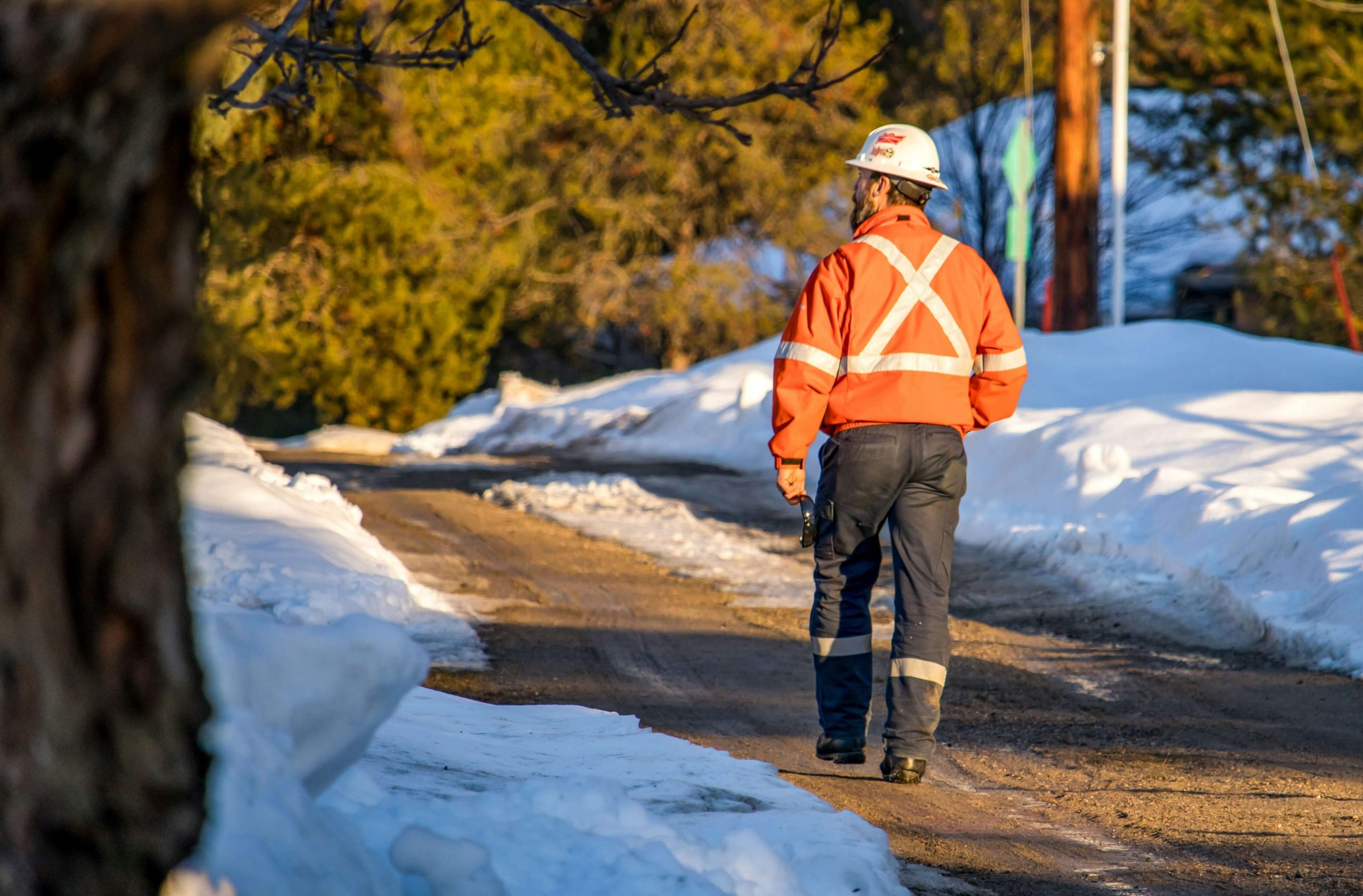
Cold weather doesn’t just slow production—it poses real risks to your crews and schedule.
As winter sets in across the country, builders face two major threats on the jobsite: cold-stress injuries and fire hazards tied to temporary heating. Both can derail a project fast if crews aren’t trained and sites aren’t prepped.
Cold stress includes hypothermia, frostbite, and dehydration—issues that can develop quickly when workers are exposed to freezing temperatures, wet conditions, or high winds. Add snow and ice to the mix, and slips, falls, and delays become even more likely.
The best defense is preparation long before the workday starts. That includes clearing snow and ice, salting walkways, monitoring daily weather changes, and ensuring workers can recognize early signs of cold stress. During the day, crews should have access to warm, dry layers, space heaters positioned safely, and clear emergency procedures if a worker shows signs of trouble.
Winter also increases the risk of jobsite fires.
Temporary heaters—essential but dangerous—require careful use. OSHA rules are clear: every site using heaters must have a fire extinguisher on hand, maintain a 10-foot buffer from combustible materials such as tarps or canvas, and store flammable liquids only in approved safety containers.
For deeper guidance, training materials, and cold-weather resources, NAHB, OSHA, and the National Weather Service have produced excellent checklists and videos.
You can explore their full winter jobsite safety recommendations in the original NAHB article.