


Every builder expects to pay for land.
They expect to pay for labor.
And they expect to pay for materials.
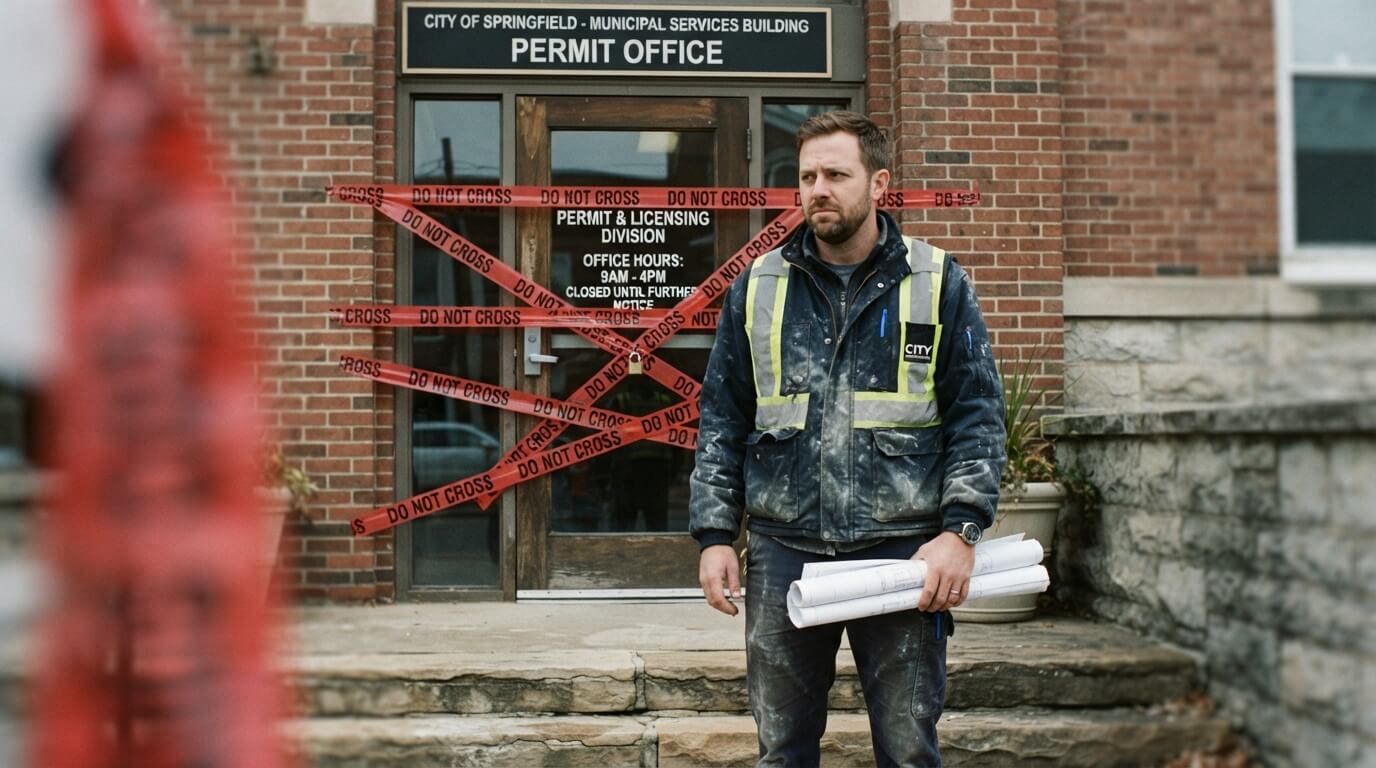
What no builder wants to pay for is waiting.
A recent Realtor.com article highlights the passage of the 21st Century Road to Housing Act, which includes a proposed innovation fund to encourage local governments to modernize permitting, zoning, and development approval processes. While Congress still must fund the program, the legislation recognizes something builders have understood for years: uncertainty is expensive.
According to the National Association of Home Builders, permitting, inspections, building codes, and regulatory requirements account for more than 25% of the price of a new home. That’s an enormous burden, but the cost isn’t just the regulations themselves.
It’s the unpredictability.
Builders can plan around almost anything—higher material prices, labor shortages, or interest rates. What they can’t efficiently plan around is a project that sits in review for months, only to be delayed by staffing shortages, redundant paperwork, or changing requirements.
Every week a project sits idle adds carrying costs, delays the delivery of much-needed housing, and increases the final price paid by the buyer.
That’s why improving permitting isn’t simply a government efficiency project. It’s a housing affordability strategy.
Technology—including artificial intelligence—is beginning to help communities streamline reviews, eliminate redundant permit types, and identify errors earlier in the process. Those are promising developments, but lasting progress will require something even more important: a commitment to making the approval process more predictable.
Builders don’t need shortcuts. They need certainty.
When communities reduce unnecessary delays, everyone benefits. Builders can deploy capital more efficiently, homes reach the market faster, and buyers face fewer costs created by bureaucracy rather than construction.
Sometimes the fastest way to make housing more affordable isn’t building differently. It’s simply getting out of the builder’s way.