


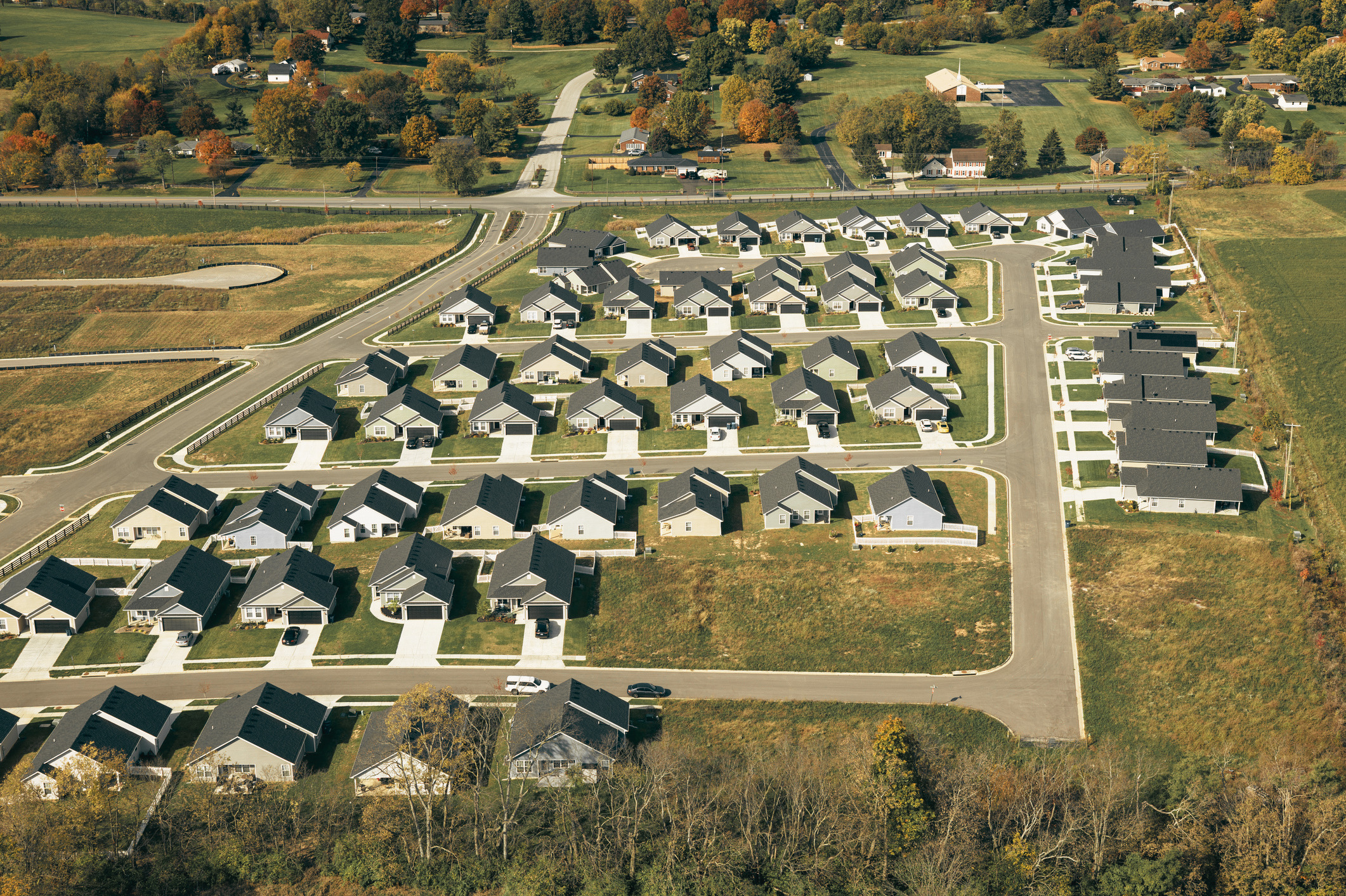
A builder can simplify finishes, tighten a floor plan, and negotiate with suppliers. But an expensive lot can put a lower-priced home out of reach before any of that work begins.
That’s the practical insight in AEI Housing Center’s analysis, If You Care About Housing Abundance, Minimum Lot Sizes Deserve Much More Attention. Its research found that starter homes built in new subdivisions were disproportionately located on smaller lots and less-expensive land.
The opportunity deserves attention. Requiring every home to occupy a large parcel limits how many buyers can share the underlying land cost. Smaller lots give builders another way to lower the selling price.
Permission alone won’t make a project work. Utilities, drainage, access, setbacks, and development fees still shape the budget. Buyers also need a home whose layout and location justify choosing less yard.
Before purchasing lots, work backward from the buyer’s achievable price. Then test whether the land, site work, construction, financing, and selling costs leave a reasonable margin.
Where local rules prevent a workable smaller-lot project, bring those numbers to your home builders association.
The useful question is specific: What could you build—and who could afford it—if the rules allowed a different lot configuration?
Read the original: If You Care About Housing Abundance, Minimum Lot Sizes Deserve Much More Attention