


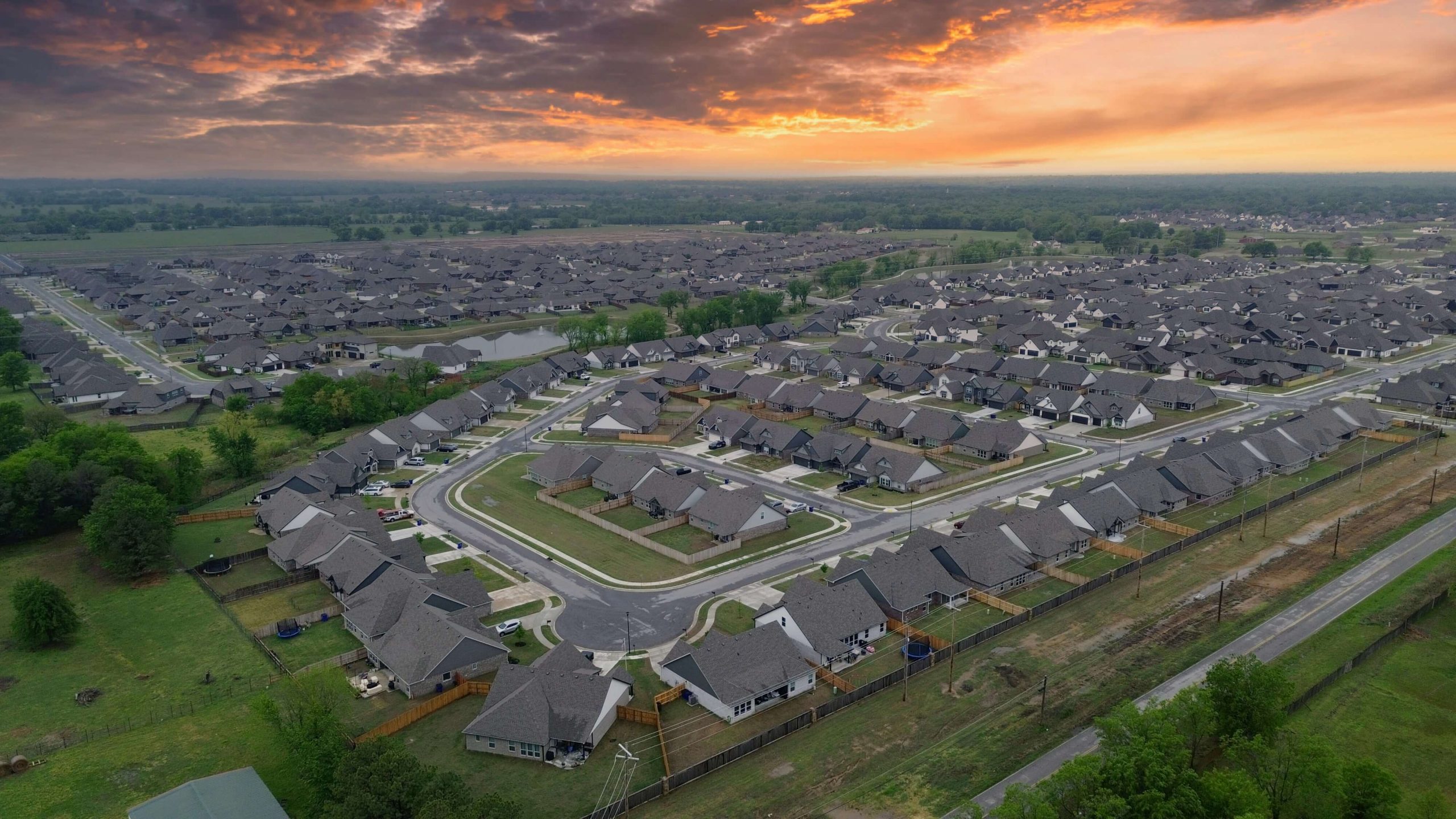
Affordability is changing faster than home builders can produce. It is also changing where those homes get built.
NAHB’s latest Home Building Geography Index shows that single-family construction remained weak across most geographic categories in the second quarter of 2026. The sharpest decline occurred in the urban cores of large metropolitan areas, where activity fell 13.9%.
Outlying counties of smaller metros moved in the other direction, recording modest growth and the largest gain in single-family market share.
This is not evidence of a wholesale flight to remote America. Nor does one positive quarter establish a lasting boom. But it does suggest builders are finding relatively better opportunities where developable land is more available, acquisition costs are lower, and homes can still be delivered near the price points buyers can afford.
In other words, affordability pressure is reorganizing the map of homebuilding.
The important question is whether buyer demand will follow construction outward—or whether builders are simply moving farther from major employment centers to make project economics work. Commute times, infrastructure, schools, and local employment will determine which smaller markets can sustain that growth.
For builders, geographic expansion cannot rest on cheaper land alone. The opportunity belongs to markets where lower development costs intersect with genuine household formation.
The places gaining homes will increasingly be the places where both the buyer’s monthly payment and the builder’s margin can still work.
Read the original: Large Metro Core Counties Drive Drop in Single-Family Market Share