


Industrialized construction is often presented as a radical leap from traditional homebuilding to factories, modular systems, and highly automated production.
But the transition is already underway.
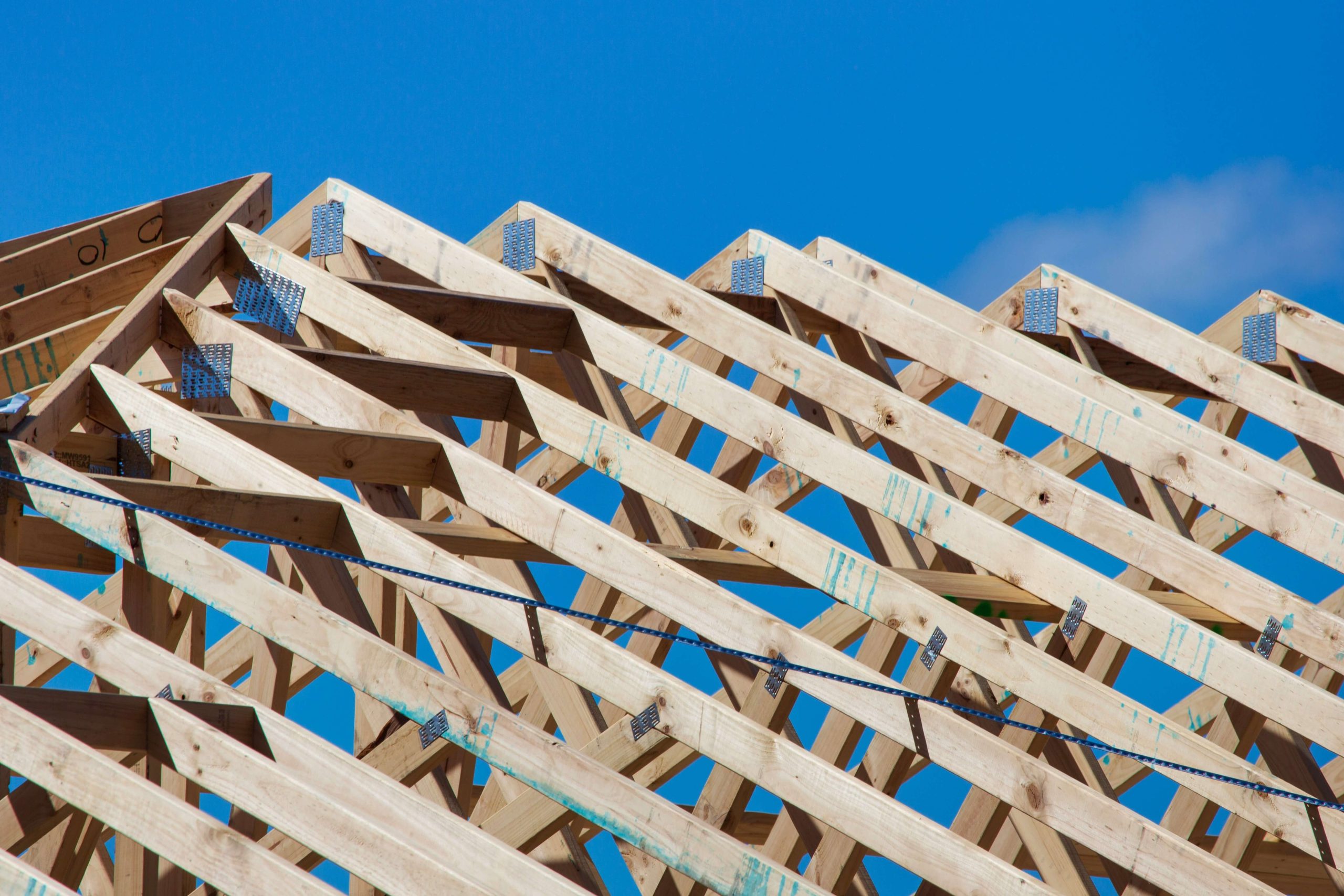
Consider the engineered roof truss. According to Home Innovation Research Labs, trusses were used in 72% of single-family homes and 84% of apartments and townhomes in 2025.
Their appeal is straightforward. Trusses move complicated, repeatable work from the jobsite into a controlled manufacturing environment. They arrive engineered for specific loads and ready to install, helping builders reduce framing time, material waste, field variability, and reliance on scarce skilled labor.
That is industrialization—even if no one calls it that.
Most builders do not need to replace their entire construction model to become more productive. They can identify individual assemblies that are expensive, inconsistent, or labor-intensive and ask whether more of that work can be standardized, engineered, or completed off-site.
Roof trusses also show why adoption happens: not because a technology sounds innovative, but because it solves practical problems without forcing builders to reinvent everything else.
The future of homebuilding may not arrive as one sweeping factory-built solution. It may emerge component by component, as builders steadily move repeatable work away from unpredictable job sites.
The question is not whether homebuilding will industrialize. It is which part of the house comes next.
Read the full story: Why Are You Still Stick-Framing Your Roofs?