


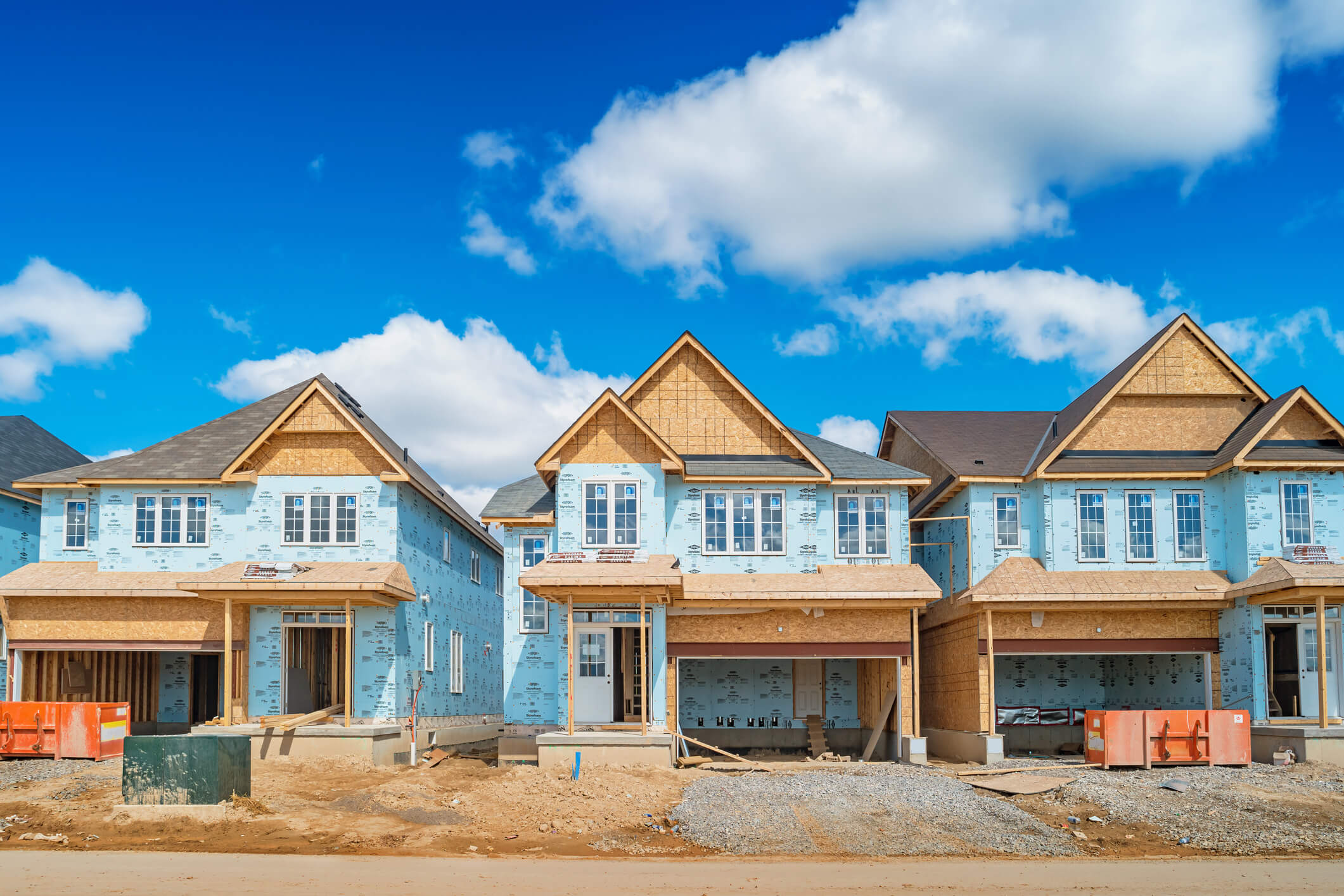
For the past four years, homebuilders have learned how to play defense.
Higher mortgage rates. Affordability pressures. Rising costs. Slower sales. More incentives.
In many markets, simply protecting margins and keeping projects moving has been an accomplishment, but there are signs the environment may finally be changing.
Housing analyst Conor Sen recently made the provocative argument that the housing recession that began in 2022 is over. Not because housing is suddenly healthy—affordability remains difficult, mortgage rates remain elevated, entry-level buyers are struggling, and some markets still have too much inventory.
His argument is simpler: Things have stopped getting worse.
Inventory has stabilized nationally. Florida and Texas are showing signs of improvement. Some public builders are reporting lower incentives and improving margins. Apartment occupancy is rising. The labor market has strengthened.
If Sen is right, builders could soon find themselves confronting a problem they haven’t had in a while.
Opportunity.
And opportunity creates its own risks.
Emma Wildermuth of The Shin Group made an important point during a recent episode of Builder Straight Talk: Become profitable before you scale.
It’s deceptively simple advice because growth is expensive. A builder moving from 10 homes to 20 may need additional staff before those additional homes generate revenue. More starts require more working capital. More projects mean more trades to coordinate, more schedules to manage, more purchasing, more supervision, and, ultimately, more opportunities for mistakes.
The assumption is often that additional volume will solve the problem. In reality, it can often do the opposite.
Thin margins don’t necessarily get better when you build more houses. Weak systems don’t become stronger because they’re processing twice as much work. Poor purchasing becomes more expensive. Cash-flow problems become larger. A business overly dependent on its owner simply gives that owner more things to manage.
Growth magnifies what already exists.
A disciplined operation can become more profitable. A weak operation can become a bigger weak operation.
That’s why the possibility of a housing recovery raises questions builders should be asking now: if demand increased 20% tomorrow, would the business actually be ready for it? Could existing systems handle more starts? Do you know your margins well enough to know which projects are worth taking—and which trades, staff, and capital you’d need to support the volume?
Growth on paper and growth in practice are two different things, and the gap between them is usually funded, staffed, and systematized well before the first new start breaks ground.
Most importantly, can you grow without sacrificing the profitability you’ve spent the past several years fighting to protect?
Surviving a difficult market proves something. It demonstrates resilience. But survival and readiness aren’t the same thing.
If housing is really moving from contraction toward recovery, the builders best positioned to benefit won’t necessarily be those who start the most homes. They’ll be the ones who used the difficult years to tighten operations, understand their numbers, strengthen their systems, and protect their margins—and who lined up the capital to move the moment the opportunity did.
Because the best time to prepare for growth isn’t when the opportunity arrives. It’s before it arrives.