


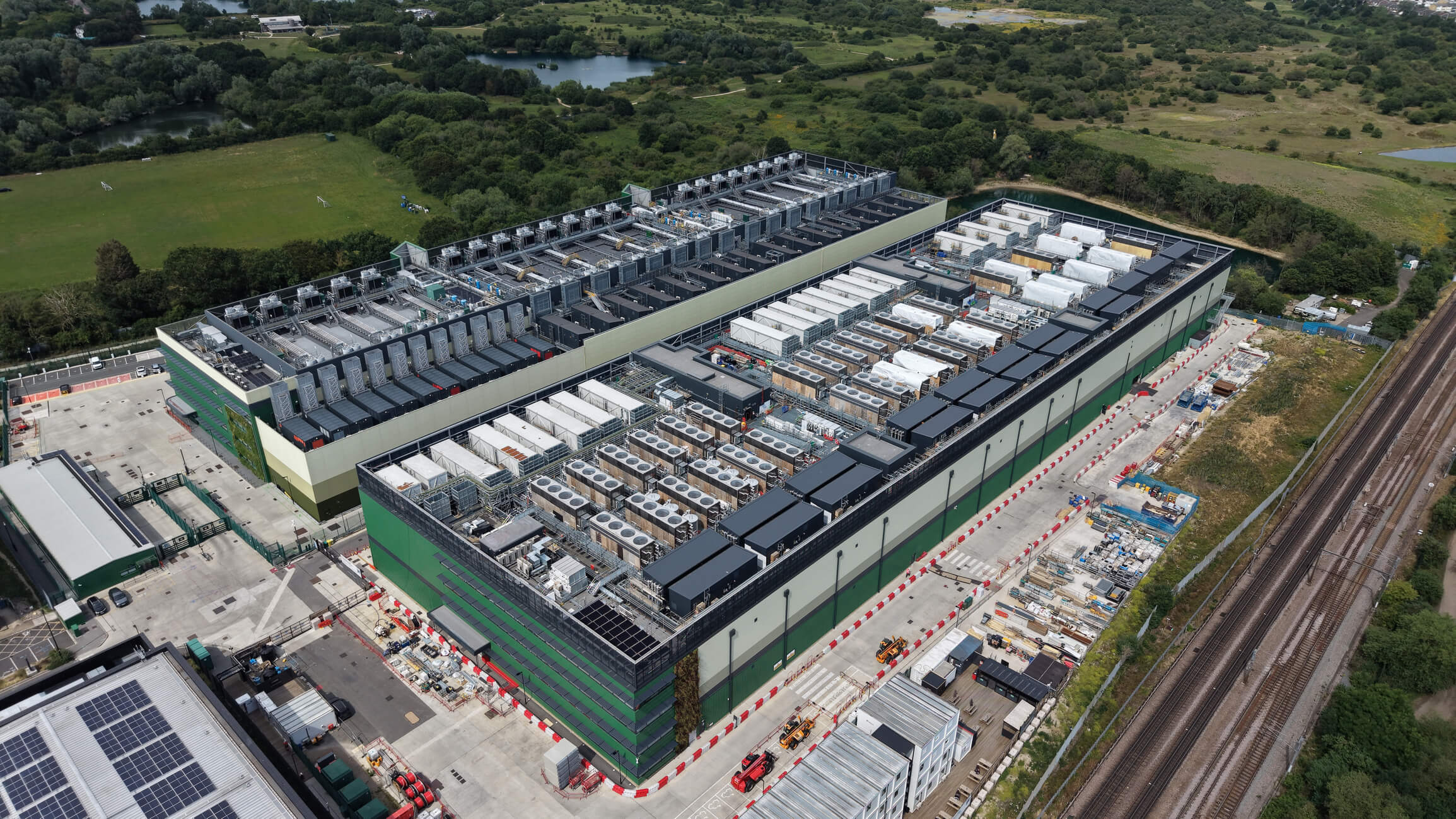
The AI boom has no shortage of ambition. Companies are building data centers, buying advanced chips, and committing enormous sums to computing infrastructure.
But one question is worth asking: What happens if the revenue needed to support all that investment arrives later than expected?
In his analysis, The $6 Trillion House of Cards, investor Bob Elliott estimates that the AI ecosystem has accumulated approximately $6 trillion in future purchase commitments.
That’s not $6 trillion in conventional debt. These are agreements and expectations involving future computing capacity, infrastructure, equipment, and services.
But they represent substantial financial obligations built around assumptions about future demand.
When Growth Gets Ahead of Cash Flow
The concern isn’t necessarily that AI technology will fail.
AI could become enormously valuable and still create financial problems for companies that invested too aggressively, borrowed too heavily, or committed capital too far ahead of actual revenue.
That’s an important distinction.
A promising market doesn’t guarantee that every investment in that market will produce an adequate return. And when companies depend on one another to fulfill enormous commitments, financial problems can spread beyond a single business.
The same principle applies to homebuilding. As we’ve explored in Building More Homes Changes the Business, growth introduces financial and operational demands that don’t always scale with revenue.
Elliott’s analysis raises questions about how much of the AI expansion depends on future spending that hasn’t yet been justified by corresponding revenue.
Why Builders Should Pay Attention
Homebuilding operates on a much smaller scale, but the underlying financial principle is familiar.
A strong housing market doesn’t automatically make every development a good investment.
A desirable lot doesn’t guarantee a profitable project. Strong population growth doesn’t guarantee qualified buyers. That’s why builders need to build for the market they can see, rather than the market they hope will exist when their homes are finished. Financing matters, but it doesn’t eliminate the need for realistic assumptions about costs, absorption, and cash flow.
Builders make substantial financial commitments today based on expectations about what the market will support months or years from now.
The discipline is knowing how much uncertainty those commitments can withstand. That requires the same fundamentals behind building a stronger business in a tough market: protecting liquidity, managing commitments, and maintaining enough flexibility to respond when conditions change.
The AI boom may ultimately justify its enormous investment–Elliott’s analysis doesn’t establish otherwise–but it offers a useful reminder for any capital-intensive business:
Growth creates opportunity. Financial discipline determines whether that opportunity becomes a sustainable business.
Read the original: The $6 Trillion House of Cards