


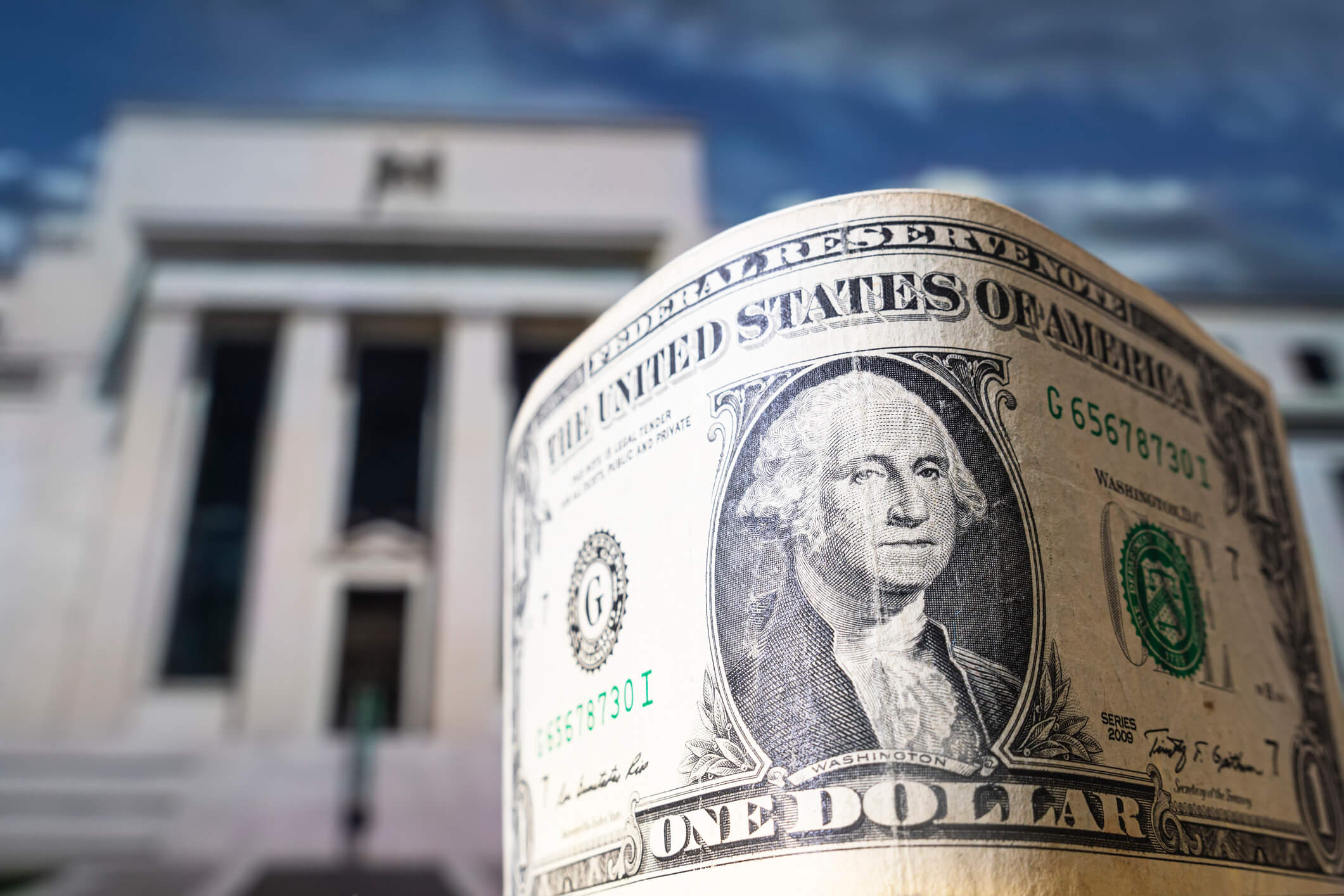
The economy is growing. Unemployment remains relatively low. Consumers are still spending. So why doesn’t it feel that way to homebuilders? Because the economy making headlines isn’t necessarily the economy builders are experiencing.
According to recent reporting from Barron’s, the U.S. economy grew at a 3.4% annualized rate in the third quarter, while unemployment stood at 4.1%. Meanwhile, builders are confronting hesitant buyers, expensive mortgages, longer sales cycles, and projects that are increasingly difficult to justify.
Both realities can exist at the same time.
The Fed Sees a Different Economy
The latest inflation numbers help explain the disconnect.
According to the National Association of Home Builders, consumer prices increased 0.4% in October, while core inflation rose 0.3% for the third consecutive month. Shelter costs accounted for more than 30% of the monthly increase.
Sticky inflation has prompted Federal Reserve officials to consider additional rate hikes, including a possible half-percentage-point increase in December. That’s difficult news for an industry already struggling with affordability.
But the Federal Reserve isn’t making decisions based on how quickly builders can sell their next spec home. Its mandate is to maintain price stability and maximum employment across the broader economy. And right now, those broader economic conditions may justify keeping interest rates elevated, even if housing continues to struggle.
Two Economies, Two Different Realities
For builders, the danger isn’t simply that mortgage rates might rise again–it’s assuming that a healthy national economy will eventually translate into a healthier housing market. That relationship isn’t guaranteed.
A strong labor market doesn’t automatically make a 7% mortgage affordable. Economic growth doesn’t necessarily bring hesitant buyers back into the market. And lower inflation doesn’t guarantee lower mortgage rates.
Builders have to decide on land, construction costs, financing, pricing, and inventory long before they know what the Fed will do next. And those decisions become riskier when they’re based on an anticipated recovery rather than the market conditions already in front of them.
What If This Is the Market?
None of this means builders should stop building or abandon growth plans. It does mean testing those plans against a wider range of possibilities.
A business that can succeed only if mortgage rates fall may be taking on more risk than its owner realizes. And a builder who understands what buyers can afford today, how long inventory might sit, and how much capital each project requires is better positioned to make decisions regardless of the next Fed announcement.
So here’s the question worth asking before the next project begins:
What would you do differently if mortgage rates stayed around 7% throughout 2027?