


In construction, risk comes with the territory—but it doesn’t have to run the job.
From cost overruns and shifting timelines to unreliable contractors and market swings, the threats are familiar—and they are exactly why construction lending comes with such tight guardrails.
What separates good builds from bad ones is how prepared you are when those challenges show up.
What Are the Uncertainties in Residential Construction Lending?
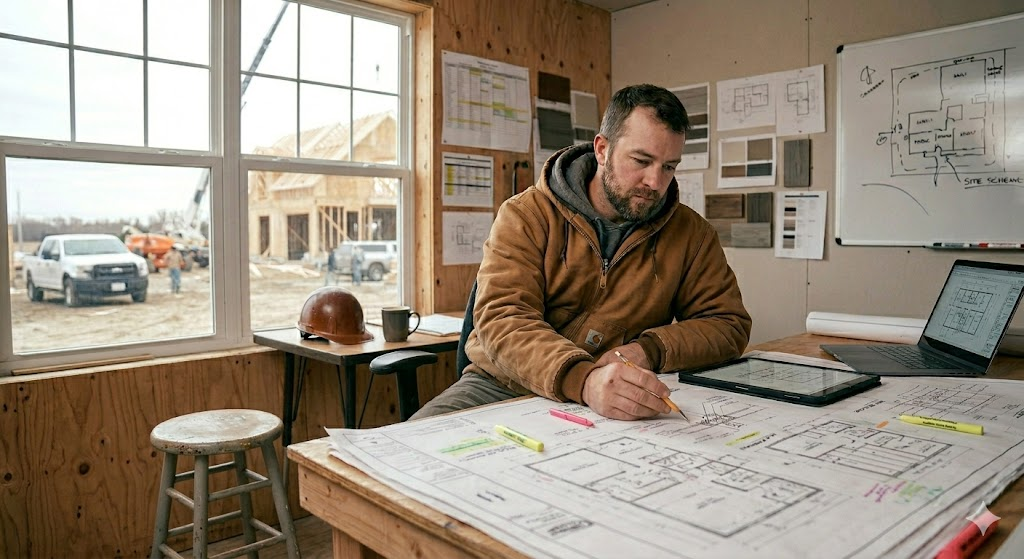
Residential construction can be highly profitable, but it’s a margin-tight business.
Fluctuating material costs, borrower qualification hurdles, and a constant mix of financial and operational challenges can quickly eat into returns.
The good news is that most of these are manageable. Get your planning right, stay in sync with your lender, and keep a firm grip on the numbers, and you’ll have fewer fires to put out along the way.
Common Risks in Residential Construction Projects
Every construction lending deal carries pressure. Here’s where it tends to show up most.
1. Cost Overruns
Material prices and labor costs don’t sit still—when they move, they move fast.
According to the National Association of Homebuilders and the U.S. Bureau of Labor Statistics, residential construction input prices have stayed above 3% growth since June 2025.
Some materials have swung even harder: metal molding and trim prices surged nearly 50% year over year. By the time you break ground, last year’s numbers may already be wrong.
2. Timeline Delays
Weather, permits, and sub availability can all stall a job, and every delay costs you.
According to Park University, 95% of construction managers surveyed had been involved in a project that ran behind schedule. The biggest culprits? Resource issues (19%) and unrealistic project plans (31%). Both are within your control.
3. Market Fluctuations
Interest rates and buyer sentiment can shift faster than a project timeline. Rates in 2026 started in the low 6% range, but hesitation in the market remains.
As Zonda’s chief economist noted, policy uncertainty, job security, home prices, rising insurance prices, and increased maintenance costs are all considerations for consumers—each affecting buyer readiness and, ultimately, your exit.
4. Borrower Qualifications
Not vetting borrowers or project stakeholders can quietly destabilize a deal. Financial issues that surface mid-project are harder and costlier to fix than those caught up front.
Why Risk Management Makes or Breaks Your Deal
Construction lending isn’t like traditional financing. Funds are distributed in draws tied to project milestones, which means complexity is baked in from the beginning.
One delay in an early phase can throw off every milestone that follows. That leads to squeezed cash flow, strained loan performance, and reduced profitability.
Builders who get risk management right tend to:
- Keep tighter control over budgets and timelines
- Avoid costly surprises mid-build
- Build stronger, repeat relationships with lenders
- Deliver more predictable project outcomes
In a competitive market, that discipline is how you stay in the running for bigger deals.
How to Get Ahead of Execution Problems

Even if you can’t eliminate uncertainty, you can build a process that handles it.
Builders who come in structured and financially disciplined are the ones who navigate problems without jeopardizing their projects.
Do Your Due Diligence
Before you secure financing, do your homework on every angle of the deal. Be sure to examine:
- Your financials: Liquidity, leverage, credit profile, and your ability to carry the project if timelines slip or costs rise.
- Your project plan: Scope, budget, timeline, contingencies, and key execution risks.
- Contractor track records: Experience with similar projects, reliability, and history of delivering on time and on budget.
- Market support: Demand, comparable projects, pricing assumptions, and absorption rates.
- Your lender’s experience and approach: Their track record with similar deals, flexibility during disruptions, and clarity of terms and expectations.
The clearer you are on construction loan requirements and qualifications, the stronger your application and the less likely you are to hit delays or denials at the worst possible moment.
Set Realistic Budgets and Timelines
Underestimating costs or timelines is one of the fastest ways to end up with a funding gap mid-build.
Create detailed cost estimates that cover labor, materials, permits, and soft costs. Price in market volatility, especially for high-demand materials.
Add a contingency buffer of 5% to 10% of the total project cost, and set timelines that account for delays.
Understanding how construction loans work helps here, too. When your budget aligns with how draws are actually disbursed, you’re far less likely to hit a cash flow crunch at a critical phase.
Stagger Loan Disbursements
Construction loans are funded in draws tied to project milestones. That structure is a risk management tool in itself when you use it right.
Done well, staggered disbursements:
- Keep funds aligned with actual progress at each stage
- Reduce exposure to overfunding early in the build
- Create built-in checkpoints for progress verification
Work closely with your lender to nail down a clear draw schedule and documentation requirements from the start. Transparency early prevents disputes later.
Use Insurance and Bonds
Insurance and bonding aren’t optional—they’re part of running a tight operation. Key protections every builder should have in place include:
- Risk insurance: Covers property damage during construction
- General liability insurance: Protects against third-party claims
- Performance bonds: Hold contractors accountable to their obligations
None of these eliminates uncertainty, but they significantly limit your financial exposure when something goes sideways.
Monitoring and Managing Volatility Throughout the Project
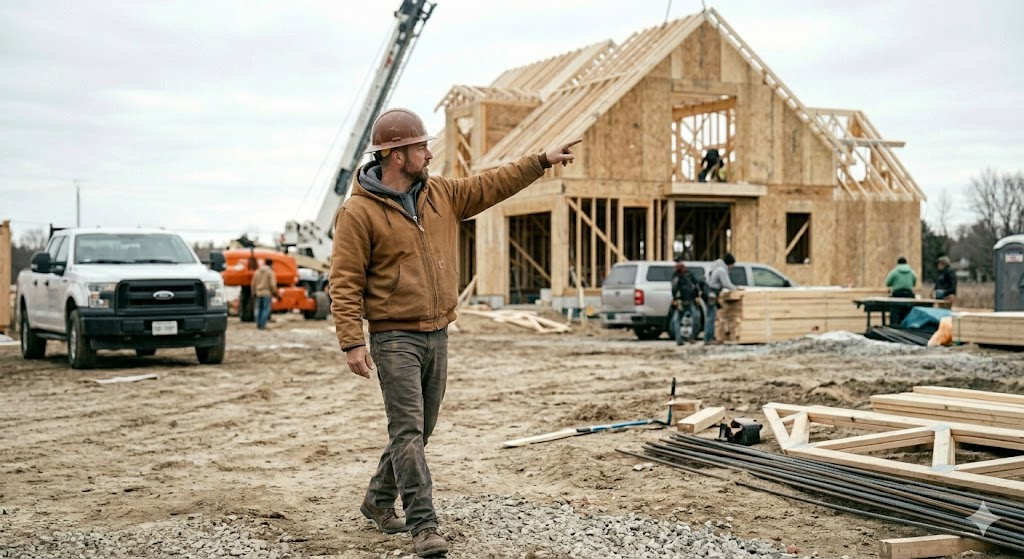
Good upfront planning only takes you so far. Once the build is underway, staying on top of it is what keeps small problems from turning into expensive ones.
Regular Site Inspections and Progress Reports
Stay on the same page with your lender by utilizing frequent inspections and consistent reporting. Do this by:
- Scheduling inspections at each major milestone
- Comparing actual progress against the original timeline
- Reviewing budget adherence on a regular basis
- Documenting all changes and approvals
Catching a problem at the framing stage is a lot cheaper than catching it at closing.
Adjusting Loans as Needed
All builds come with unpredictability. When conditions shift, the ability to adapt without blowing up the deal is what separates experienced builders from the rest.
If the job changes, be ready to request modifications to loan terms. Reallocate funds between budget lines when needed, and don’t wait until you’re in a hole to contact your lender. The earlier you flag a challenge, the more options you have.
Working with a financing partner who knows construction, like Sound Capital, makes these conversations easier, so a tough call doesn’t turn into a stalled job.
Stop Losing Margin and Build Smarter With Sound Capital
Risk in residential construction lending doesn’t just go away. It gets worse the longer it goes unmanaged.
Every unplanned cost, delayed draw, and missed milestone hits your margin directly. The right financing structure doesn’t eliminate uncertainty, but it gives builders more flexibility when conditions change.
At Sound Capital, we don’t just fund deals—we back builders. We provide the flexible structuring and boots-on-the-ground support you need to navigate the unexpected and stay profitable.
Let’s partner on your next project and bring more certainty to your bottom line. Request a term sheet to get started.