
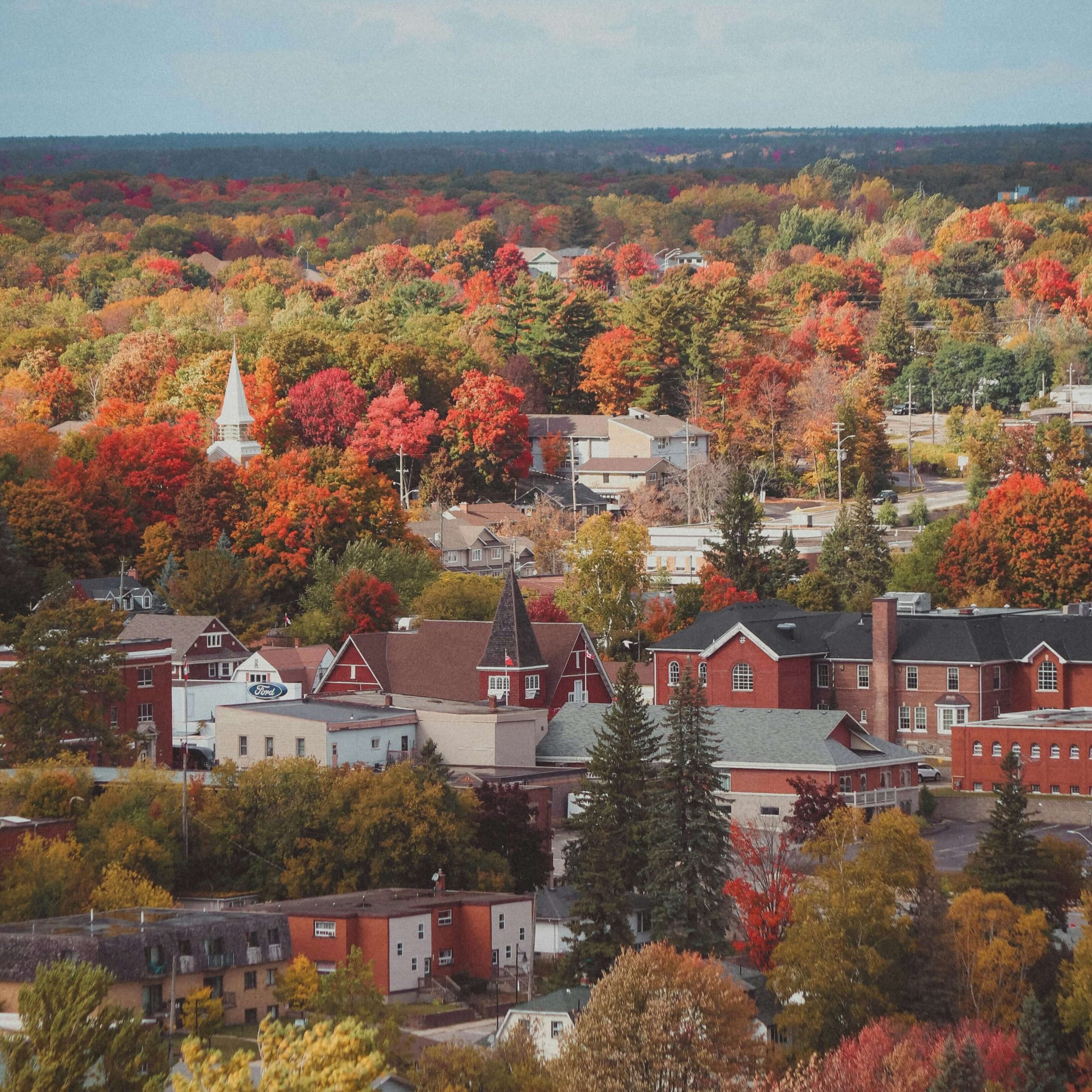
For years, the housing shortage has been framed as a big-city problem. But in many parts of the country, especially rural and small-town America, the issue hasn’t been zoning or demand. It’s been infrastructure.
You can’t build homes at scale if there’s no sewer capacity, no roads, no sidewalks. And asking a small builder to front those costs upfront has been a deal-killer for decades.
That’s why what’s happening in Vermont matters far beyond state lines.
Facing a shortage of tens of thousands of homes, Vermont has rolled out a new approach that flips the traditional model on its head. Instead of pushing infrastructure costs onto builders or current taxpayers, towns can now finance those improvements upfront and repay them using the future tax base created by new housing.
In plain English: growth helps pay for itself.
This matters because it unlocks projects that simply never penciled before. Small towns with aging populations, shrinking tax bases, and empty downtowns suddenly have a way to attract new families, keep schools open, and bring life back into their communities—without raising property taxes.
For builders, the takeaway is bigger than Vermont.
This is a live case study in how infrastructure, capital structure, and housing policy intersect. When infrastructure risk is reduced, more projects become viable. When projects become viable, builders can focus on execution instead of survival. And when growth is structured carefully, it doesn’t have to come at the expense of community character.
Programs like this won’t solve the housing shortage overnight. But they point to something important: the next wave of housing supply may come not from massive metros, but from smaller markets that finally have the tools to build again.
Smart builders—and smart capital partners—will be watching closely.
Read the full article here: How Small Towns in Vermont Are Getting a ‘Once-in-a-Generation’ Opportunity To Build New Homes
