
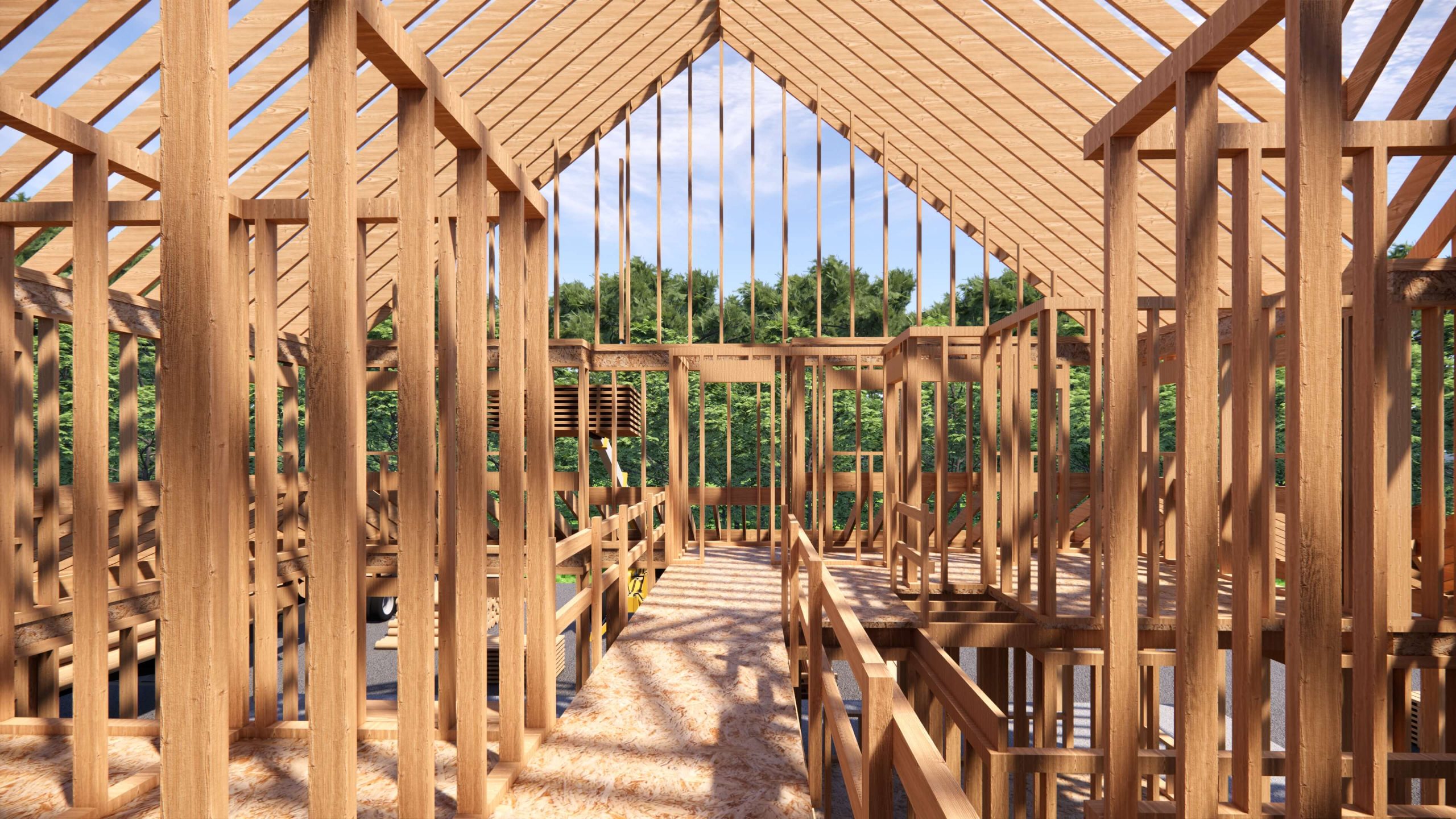
According to NAHB’s latest analysis of Producer Price Index data, residential input costs slowed in January.
Residential building material price growth slowed. Lumber eased. Overall goods inflation for new residential construction cooled to 3.3% year over year—the lowest pace since mid-2025.
On paper, that sounds like breathing room. But you know better than to read headlines.
Metal products are still spiking in key categories, and some inputs are up double digits. Meanwhile, service inputs—trade margins, transportation, warehousing—remain elevated, running nearly 5% year over year, with trade services above 7%.
That’s not relief. That’s a shift.
The pressure hasn’t disappeared; it’s moved from raw goods into the system around them.
And this matters.
When inflation in goods cools, complacency creeps in, and builders assume the storm has passed. But service inflation tends to be stickier. It lingers. It embeds itself in margins quietly.
This is where disciplined operators widen the gap—because when services stay sticky, time and inefficiency become more expensive. They use the lull to:
- Tighten purchasing systems
- Revisit supplier relationships
- Shorten project timelines
- Reduce capital drag
- Protect velocity
When volume returns—and cycles always turn—the builders who improved systems during the slowdown won’t just keep pace.
They’ll expand.
