
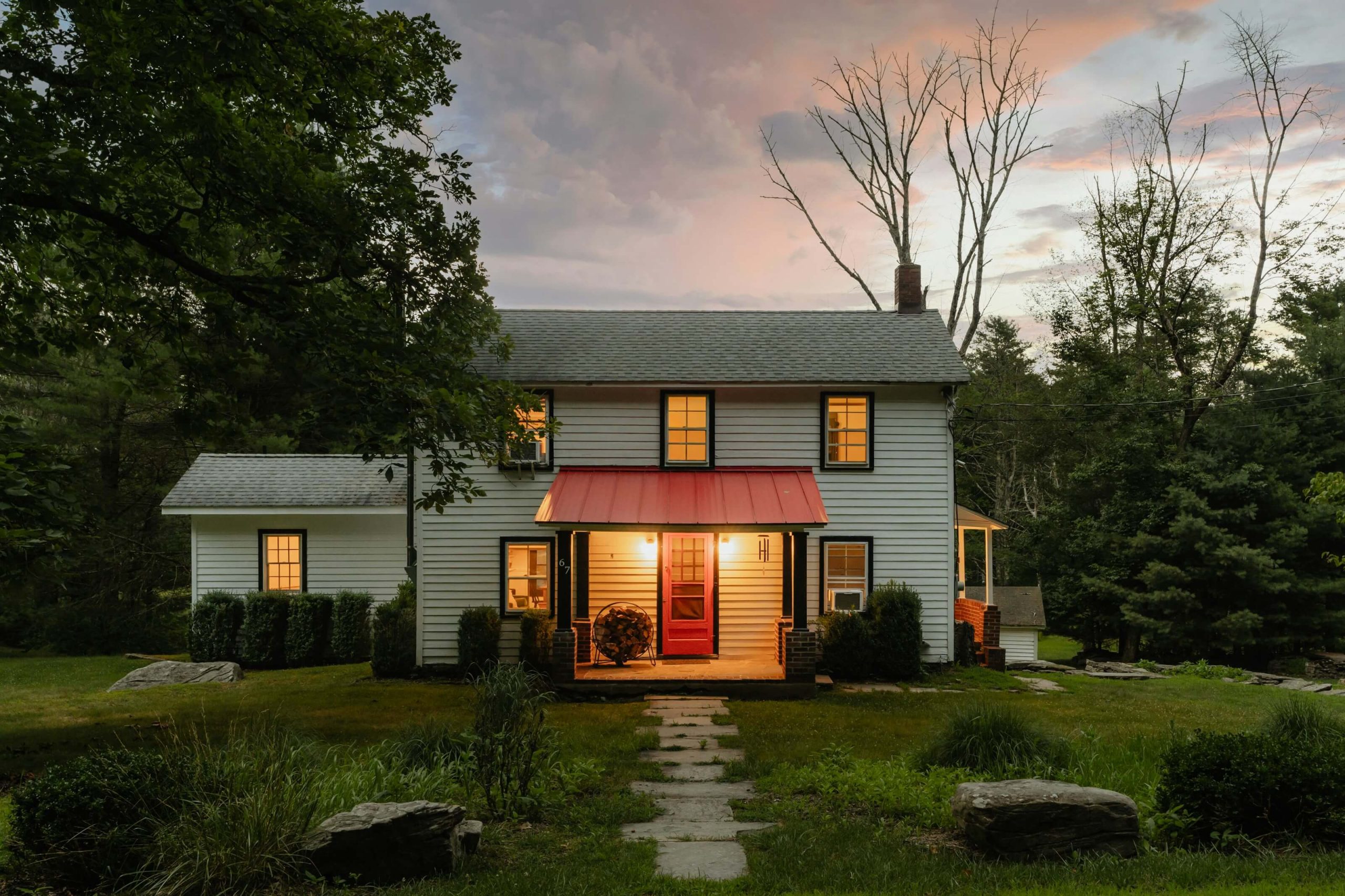
One statistic quietly reframes the housing conversation: nearly 40 million Americans now live alone, according to data highlighted by Apollo Academy.
That isn’t a lifestyle trend. It’s a structural shift.
For decades, housing policy, zoning, and financing assumed households would grow—marriage, kids, consolidation.
Instead, the opposite happened …
- People are marrying later or not at all.
- Divorces create two households where one used to exist.
- Seniors are aging in place longer.
- Widows and widowers stay put.
- Adult children don’t always move back home.
The population didn’t explode. Households fragmented.
That distinction matters because housing demand is driven by households, not headcount. When more people live alone, the number of doors required rises—even if population growth is modest. The math quietly breaks the system.
This is also why inherited homes won’t save us. Those homes don’t circulate fast enough, and many never hit the open market at all. They’re absorbed by heirs, occupied, or held. Supply stays frozen while household formation continues.
Builders are already living this reality.
Smaller household sizes change what “fit” looks like—unit mix, density, price points, community design. The shortage isn’t just about how many homes we build, but whether the housing stock matches how people actually live now.
This is where the conversation often goes wrong. We debate rates, demographics, or policy timelines as if time is neutral. It isn’t. Every year, this household trend compounds quietly, increasing pressure on supply that doesn’t move.
Forty million Americans living alone isn’t a headline. It’s more underlying math of the housing crisis.
And it means the next decade of building won’t look like the last one. Are you prepared?
