



Every growth-minded builder eventually learns the same lesson: the real constraint isn’t demand, land, or labor.
It’s capital.
Your construction budget isn’t just a spreadsheet. It’s the operating plan for how capital turns into completed homes, paid subcontractors, and realized profit.
Done right, it’s a living plan that guides every decision on a project—from breaking ground to collecting the final draw. Done poorly, it’s the reason jobs stall, margins vanish, and growth slows to a crawl.
The good news? You can build smarter and get every dollar working at full capacity.
These seven principles show how to make your budget a tool for control, efficiency, and long-term profitability—so every dollar you deploy keeps working for you.
Why Budget Strategy Matters
A construction budget is more than numbers on a sheet—it’s the blueprint for how a project succeeds or fails. It dictates how capital is deployed, how risks are managed, and ultimately, how much profit the project delivers.
The budgets that stand the test of time anticipate cash needs, minimize surprises, and earn the trust of lenders, investors, and partners alike. Treat it with care, and it becomes a tool for control rather than a source of crisis.
However, most construction projects still miss their original budget. According to KPMG, only about 31% of construction projects finish within 10% of their original budget. The gap between planning and execution is where most profit disappears.
Let’s talk about how to turn your budget into a strategic tool, giving you the edge to keep costs in check and drive real growth on every job.
Avoiding Mid-Project Capital Shortages
One of the fastest ways a construction project derails is running out of cash. When it happens, work stops, payments freeze, contracts get renegotiated, and last-minute financing comes at a steep price. This rarely comes out of nowhere—budgets that ignore delays, inflation, or change orders are ticking time bombs.
Projects that succeed treat cash flow as a living document, synced with draws, suppliers, subs, and overhead. They track it in real time, stress-test it against worst-case scenarios, and make tough cuts early rather than panic when the money runs dry.
Gaining Leverage With Lenders and Investors
A credible, detailed, and defensible construction budget gives you leverage when negotiating with lenders or investors.
When your financial plan ties directly into the draw schedule, you can justify the amounts you request, the timing of the draws, and the buffer you require. The payoff? Stronger terms and lower reserve requirements.
Improving Long-Term ROI Through Upfront Planning
High returns don’t come from spending less—they come from spending right. The projects that endure are the ones that invest where it counts, like thorough site preparation, solid drainage, robust structures, or scalable systems.
These upfront choices may increase your initial costs, but they pay off by reducing long-term risks, avoiding costly fixes, and protecting your bottom line.
7 Considerations for Optimizing Your Budget
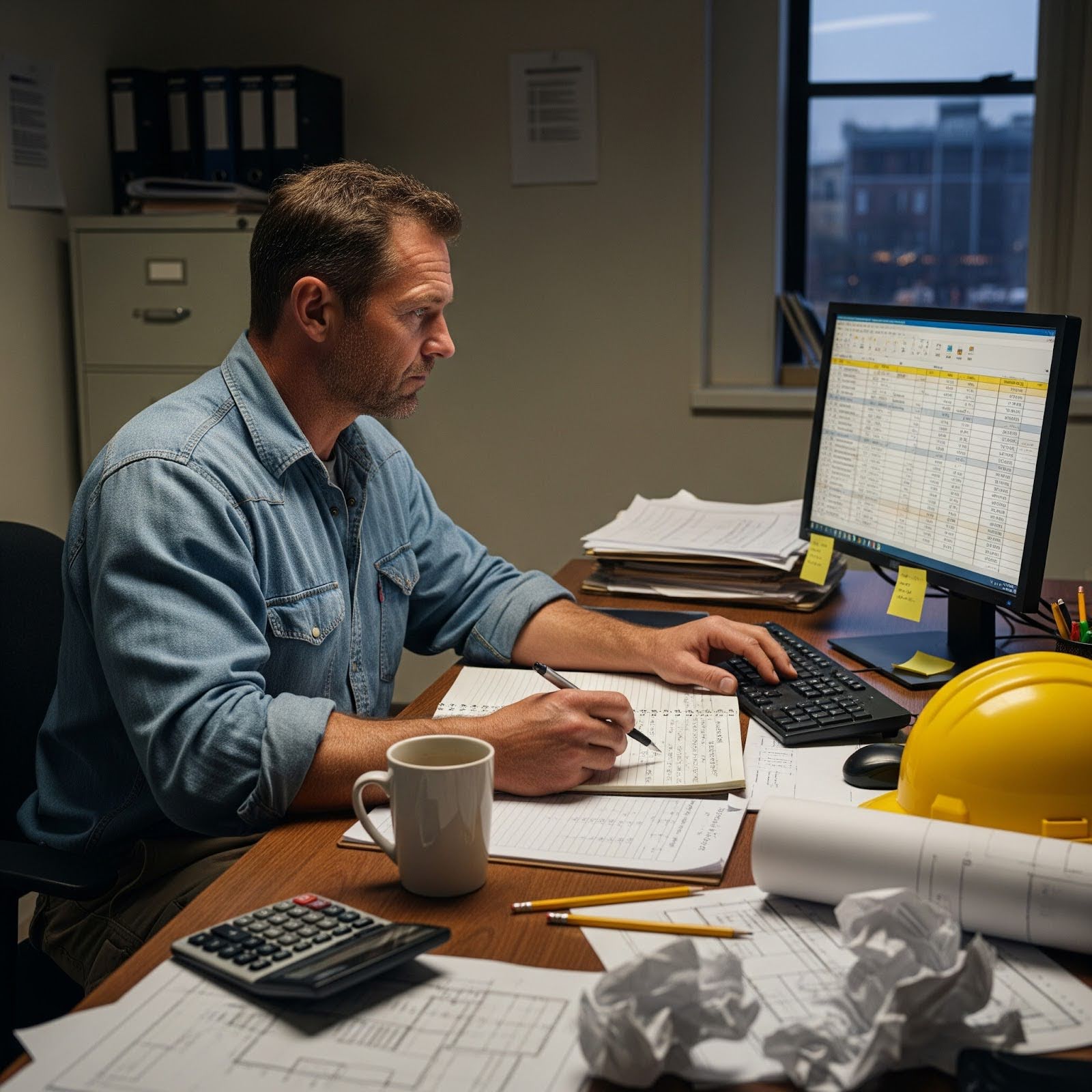
From materials to labor to unexpected surprises, managing costs can make or break a project. Here are seven tips to make your budget bulletproof.
1. Accurate Site and Permitting Costs
Before breaking ground, it’s important to get a handle on the main expenses—site work, permitting, and entitlements.
These often get overlooked, but can skyrocket with soil issues, tricky grading, or permit delays—blowing your budget before the first shovel hits the ground. Be sure to pad your safety net based on site conditions and project scope.
2. Realistic Labor and Material Estimates
Labor and materials make up the majority of your construction budget, so it’s important to get these estimates right. If you undershoot, you’ll scramble to cover costs mid-build. Use recent bids, subcontractor history, vendor price lists, and local labor conditions to fine-tune your numbers.
There are plenty of tools out there that tie design directly to cost estimates, helping you cut down on errors and missed items.
3. Buffering For Interest Rate or Timeline Changes
Even the best budgets can get knocked off course. Always build in a buffer for cost escalation, holding costs, and delay premiums.
Because interest accrues during construction, longer timelines or delays result in higher costs. Use your draw schedule to plan for worst-case timing and add a buffer to protect your profits. Don’t forget that permits or deliveries can slip, so make sure your budget can take a few punches.
4. Technology That Keeps the Budget Honest
Modern construction software allows builders to track costs in real time, document progress for draw requests, and catch overruns before they spiral.
Budgeting for tools like project management software, field reporting apps, and digital documentation systems may feel like overhead—but they reduce costly miscommunication and help ensure draws are processed quickly.
5. Selecting Scalable or Phased Design Plans
One of the smartest ways to protect your capital is to phase the build or design it for scalability. Instead of tackling everything at once, set up the job so core systems go in first and things like amenities, finishes, or add-ons can wait until more cash flow is available. Without this prioritization, a cost spike could sink your entire budget.
Break your budget into clear tiers, each with its own line items and approval checkpoints, so that if expenses increase, you can trim nonessential work without derailing the main project.
6. Evaluating Financing Terms Before Committing
Before you partner with a lender, make sure your budget model aligns with their terms. If your budget cash flow doesn’t line up with the lender’s draw schedule, you’ll feel the pinch once the work starts.
Use your budget model to test “what if” scenarios, like if the lender delays a draw or demands additional reserves. You can negotiate ahead to minimize surprises mid‐build.
Your best bet is to find a lender who offers safe loans with full financing. Here at Sound Capital, our offers are completely funded with 100% cash-backed construction loans that don’t require developer cash deposits or presales.
You can borrow up to 85% of your project cost, giving you the flexibility to cover materials, labor, and other key expenses without tying up all your cash.
7. Contingency Planning for Market Shifts
Set aside a separate contingency fund, separate from your usual construction reserve, and only tap it for true emergencies. If you don’t set up a cushion, any hiccup could put your entire project at risk.
Check your budget at key points, adjust where necessary, and know ahead of time which parts of the project you’d scale back if conditions change.
Maximize Capital With Sound Capital
A strong construction budget protects your margin, but the right lender keeps it alive. Delayed draws, hidden reserves, or half-funded loans can unravel even the best plan.
That’s why builders partner with lenders who think the same way they build—with transparency, speed, and full commitment from start to finish.
At Sound Capital, we back every draw 100% in cash, require no deposits or presales, and approve quickly—so your money moves as fast as your projects.
If you’re ready to align your financing with your strategy, request a no-hassle term sheet to see how smarter capital helps you build, scale, and grow stronger. Want to think more about long-term growth? Get your free copy of Built to Prosper.