


As builders across the country ask us a simple question:
“What’s the one thing we should do this year to ensure we weather the cycle, thrive, or survive a downturn?”
The answer keeps coming back to the same place: Control your costs before you commit.
In practice, that means locking in pricing early, securing materials in advance, and taking control of your inputs before volatility does it for you.
And that advice applies whether you build custom, semi-custom, or spec. And it’s not based on gut feel—it’s based on what the data and the market are doing as we head into 2026.
Just last week, the National Association of Home Builders reported that building material prices remain elevated, with year-over-year growth around 3.5% — the largest since early 2023 — even as single-family construction lags. This proves one thing: materials aren’t stabilizing in a way that protects your margin.
Material cost behavior this year has been driven by a perfect storm of pressures. Trade policy has added persistent uncertainty, as tariffs on key inputs like lumber, steel, and aluminum raise the cost of construction. The NAHB continues to push back against tariff escalation precisely because these costs feed directly into housing affordability—and into builder cost structures.
Consider lumber.
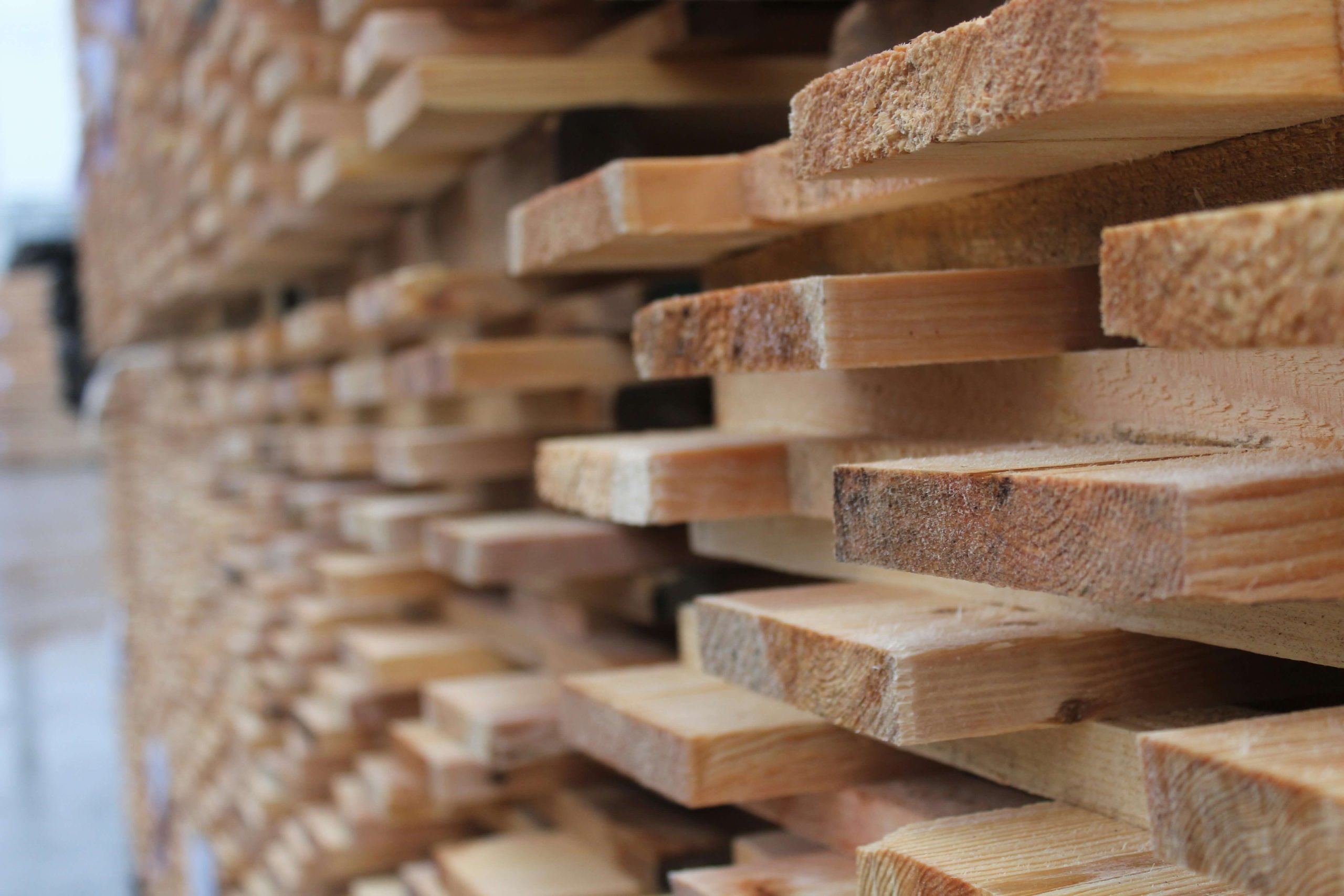
Lumber prices have come down a bit from their recent highs, but they’re still much higher than what we’re used to in the past. Prices are also moving up and down from quarter to quarter, which can blow up your numbers if you’re still pricing jobs based on today’s spot price.
Even with the recent dip, framing lumber in early 2026 still costs about 13% more than it did a year ago.
This is exactly why the “wait and see” approach is no longer neutral. It’s a bet against your own margin.
And this matters just as much to spec builders as to contract builders.
Spec builders often assume rising costs aren’t a problem because the home hasn’t sold yet. If prices go up, the thinking goes, you just raise the list price. But costs hit early. Sale prices come later. And in between sit carrying costs, interest, appraisals, and buyer demand.
When costs rise faster than the market can absorb, margins shrink—even if the home eventually sells.
That’s why disciplined builders are tightening operations around four principles.
1. Lock Prices Before You Commit
Many builders still firm up material pricing after major commitments are made. In a volatile market, that’s backwards.
If prices rise after you’ve set expectations—whether with a buyer or in your own pro forma—you’re the one absorbing the difference. Locking prices early, using firm quotes, short pricing windows, or clear adjustment language, shifts that risk out of guesswork and into planning.
The goal isn’t perfection. It’s certainty.
2. Secure Materials Early
If you know how many homes you’re planning to build this year, buying materials early and storing them properly isn’t outdated—it’s smart protection. Lumber and other inputs don’t move randomly. When prices fall, it often doesn’t last. When they rise, they tend to rise fast. Buying ahead locks in reality instead of hope.
3. Make Sure Your Suppliers Can Deliver—and Stay in Business
Price isn’t the only risk. Reliability matters just as much. When suppliers fail, miss deliveries, or slow production, builders are forced into last-minute purchases at premium prices. That’s not bad luck—it’s how margins disappear.
4. Use Storage to Protect Your Margin
Storage can feel like a cost. But if holding materials costs less than getting hit by price increases or supply surprises later, storage is doing its job. Big builders do this with contracts and scale. Smaller builders do it with foresight. Either way, it’s not speculation—it’s insurance.
Margin Erosion Isn’t Inevitable. It’s Operational
Margins don’t disappear because the market is hard. They disappear when cost certainty is delayed.
2026 isn’t a year that rewards guessing or waiting. It rewards builders who lock costs early, control variables, and leave themselves room to adjust on the back end—pricing, incentives, timing—without being forced into discounts.
This is a discipline market.
And the builders who treat pricing and procurement as front-end decisions—not cleanup work—will be the ones who protect margin, preserve velocity, and stay in control no matter how the year unfolds.