


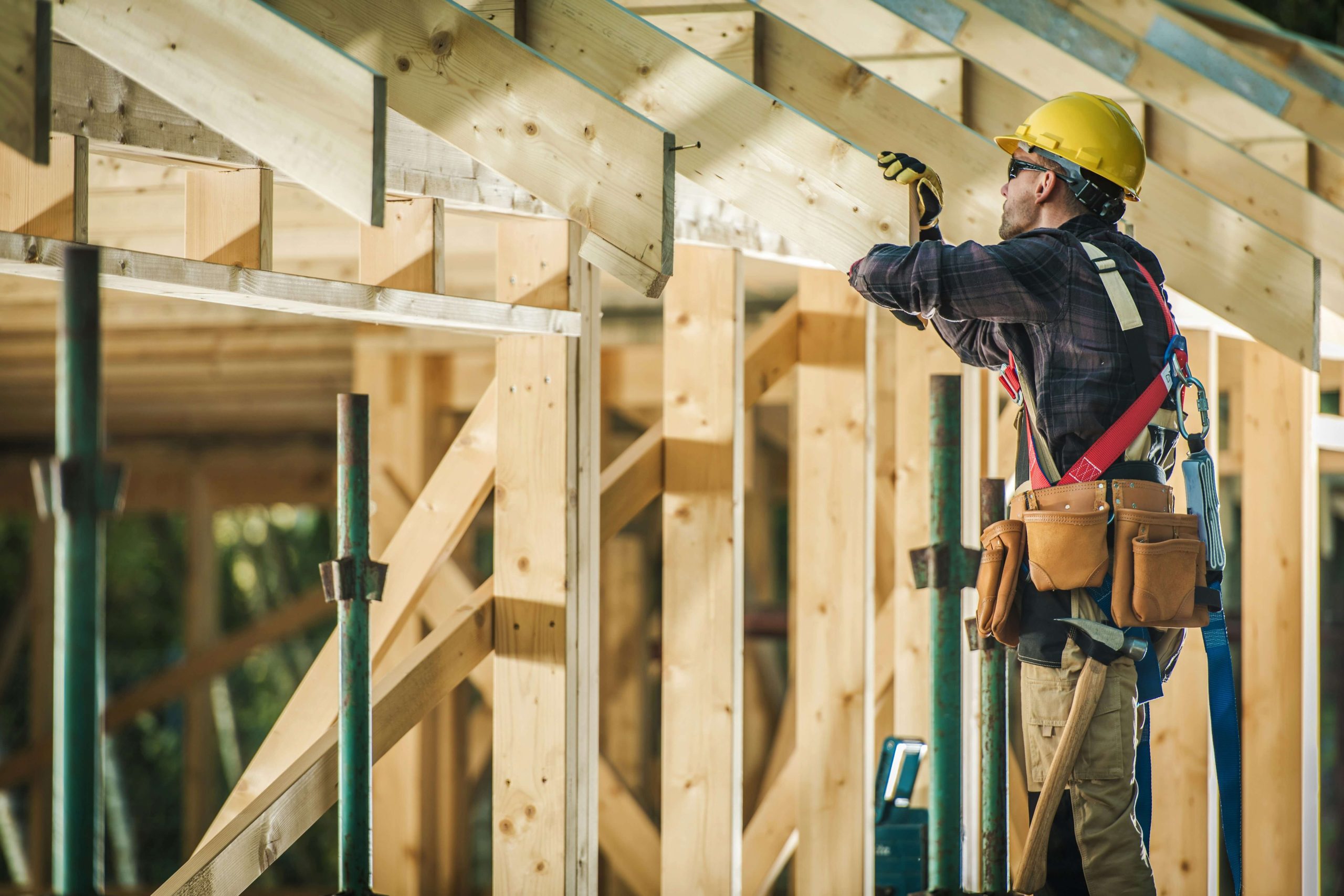
A slower housing market pressures selling prices. Builders cannot assume it will reduce home-building construction costs equally.
One reason is the continued expansion of AI infrastructure.
According to Barron’s, Federal Reserve Governor Lisa Cook warned that data-center construction is increasing demand for electrical components, materials, and skilled workers. She identified the buildout as a major inflation risk for 2027, with particular concern about electrician shortages.
For homebuilders, the signal is the potential disconnect between demand for homes and demand for the resources needed to build them.
Buyers may hesitate. Homes may take longer to sell. Yet competition from other construction sectors could keep certain subcontractor bids elevated and equipment lead times extended.
The pressure will vary by market. Cook’s warning does not establish that AI is driving residential construction costs higher everywhere. It does give builders a reason to test their assumptions about where cost relief will come from.
Watch electrician availability, electrical-equipment delivery times, and current subcontractor bids—especially where data-center development is active. Compare those conditions with local sales pace and concessions.
A project budget needs to account for both sides: what buyers can pay and what delivering the home will actually cost.
Read the original: Fed’s Cook Sees AI Buildout as a Major Inflation Risk in 2027