


Affordability is increasingly measured not only in dollars, but in years.
A recent Zillow analysis estimates that a typical household needs nearly 15 years to save a 20% down payment and reach the point when owning becomes financially preferable to renting. Targeting a starter home cuts that combined timeline to 7.2 years.
That difference could influence what buyers expect from entry-level housing. A starter home may no longer be something they occupy briefly before trading up. With today’s prices, rates, and transaction costs, buyers may need a home that works for them for considerably longer.
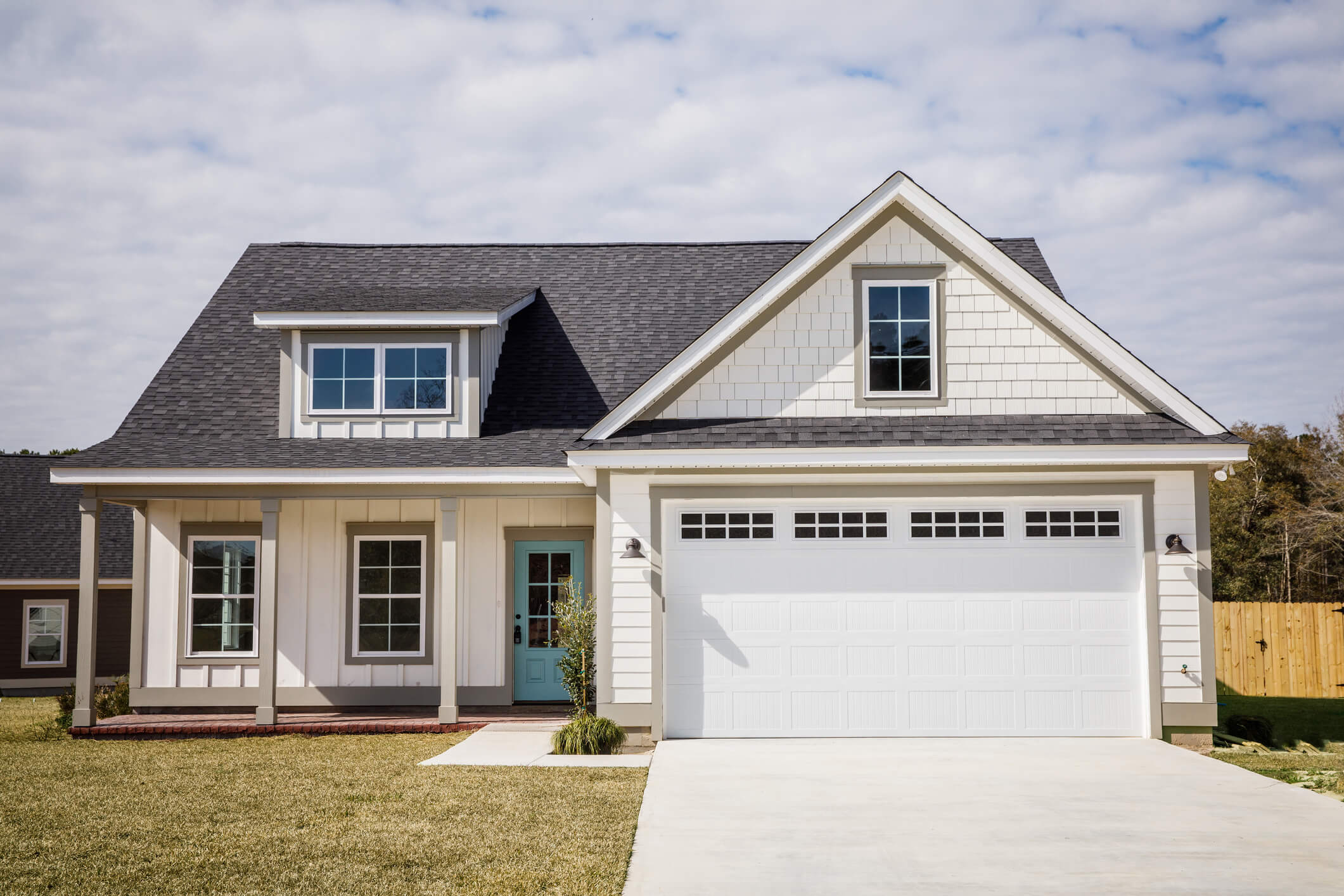
For builders, that favors smaller footprints with highly efficient layouts rather than simply fewer features. Flexible rooms can accommodate remote work, children, or changing family needs.
Durable finishes and low-maintenance construction can reduce the risk of unexpected expenses. And keeping HOA fees, insurance exposure, and other recurring costs under control can matter as much as lowering the purchase price or monthly payments.
Move-in readiness also carries value. Zillow reports that turnkey and remodeled homes sell at premiums, while fixer-uppers sell at significant discounts.
The signal to watch is a shift toward attainable homes designed for longer stays. Builders who shorten the path into ownership while delivering adaptability, predictability and livability may be better positioned for the buyers emerging from today’s affordability cycle.
Read the full article here: In Some Markets, Saving and Breaking Even on a Home Purchase Can Take a Buyer Into Their Retirement Years