


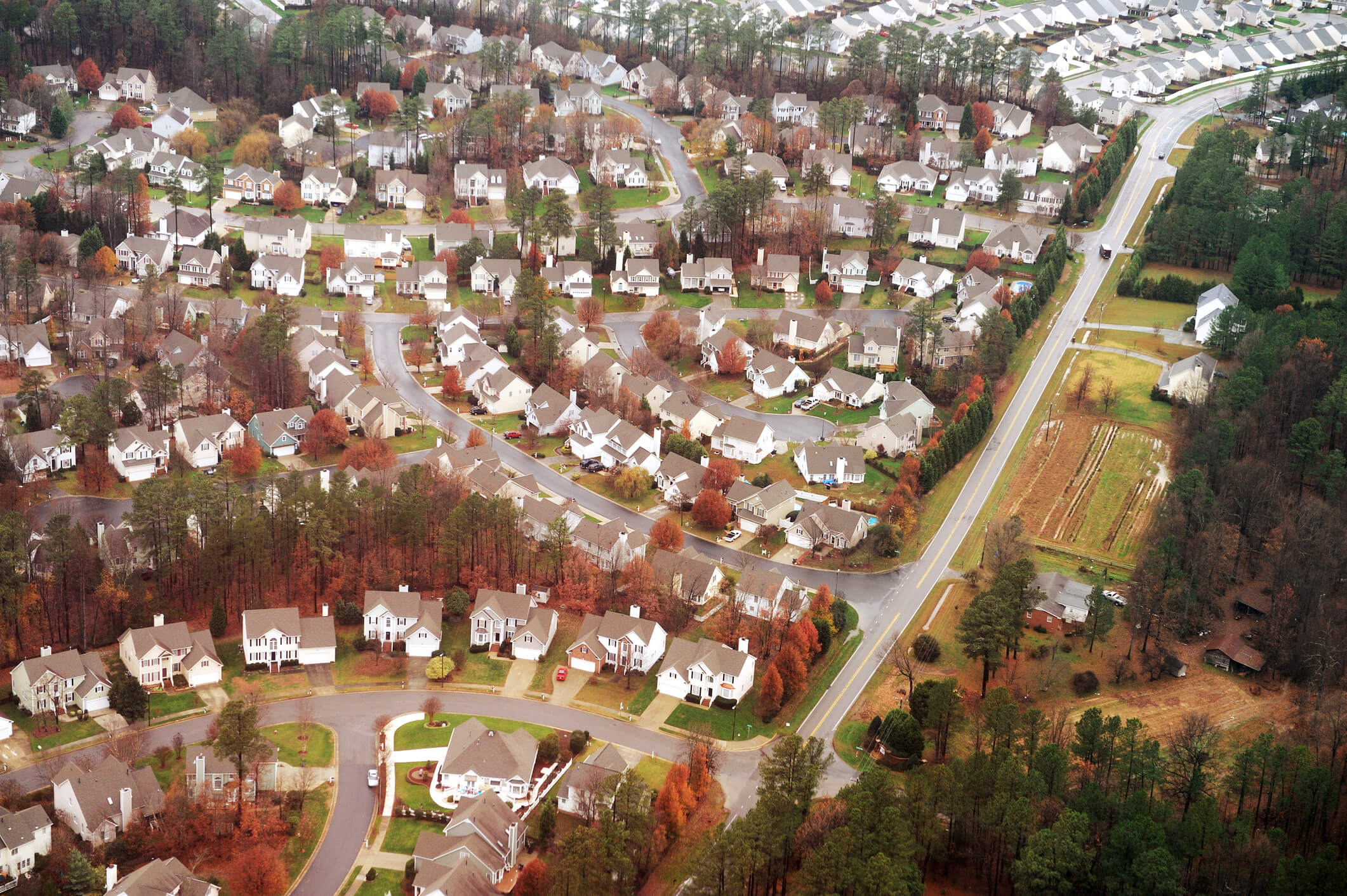
Picture this.
It’s 1948.
A young family returns from World War II. They buy a modest home in a new subdivision outside the city. Millions of other families do the same.
Developers build at an astonishing pace.
Highways expand.
Land is plentiful.
Labor is abundant.
Regulation is relatively light.
For the next seventy years, America grows accustomed to a particular kind of housing market. Demand rises and falls. Interest rates climb and retreat. Builders accelerate, then pull back.
The industry comes to think of housing as a cycle.
And for decades, that was largely true.
But what if that period was the exception rather than the rule?
Over the past several months, we’ve covered story after story that points in the same direction. Viewed individually, they’re just headlines. Taken together, they suggest something much bigger
The cycle won’t end because the baseline changed.
Affordability is no longer simply a mortgage-rate problem. Even if rates fall, home prices have outpaced incomes for so long that many buyers will remain priced out.
That’s structural.
Buildable lots remain scarce. This week’s NAHB research found lot values have stabilized nationally, but builders continue competing for a limited supply of developed land.
That’s structural.
Regulation has become part of the cost of housing. NAHB estimates permitting, zoning, inspections, and regulatory requirements account for more than a quarter of the cost of a new home in many markets.
That’s structural.
Buyers are changing, too. Redfin’s latest research found that healthier indoor environments, backup power, and home performance are increasingly outranking traditional luxury features.
That’s not a reaction to mortgage rates.
It’s a shift in expectations.
Meanwhile, labor shortages persist, homeowners remain locked into historically low mortgage rates, and the country continues to grapple with years of underbuilding.
Again, structural.
Researchers at Harvard’s Joint Center for Housing Studies’ State of the Nation Housing 2026 argue that many of today’s housing challenges are rooted in long-term structural forces rather than a typical market cycle. The headlines we’ve been following seem to point in the same direction.
None of this means builders should become pessimistic.
Quite the opposite.
The builders who continue waiting for the market to return to 2019 may spend years waiting for a version of housing that no longer exists.
The builders who recognize that the baseline has changed can begin adapting to it.
Because the next decade won’t belong to the builders who best predict the next cycle.
It will belong to the builders who best understand the new baseline.
No single headline explains today’s housing market.
Mortgage rates don’t.
Labor shortages don’t.
Zoning doesn’t.
Neither does the lock-in effect.
But when those forces begin reinforcing one another, the market starts behaving differently than it did a generation ago.
That’s why the question isn’t whether housing cycles still exist.
They do.
The question is whether the environment those cycles operate within has fundamentally changed.
Build for the Market You’re In
Sound Capital provides construction financing to experienced spec homebuilders navigating a housing market that doesn’t always behave as it used to.
If you’ve got a project you’re considering—or even one you’d just like to pencil out—talk with our team. We can help you look at the numbers, understand your financing options, and determine whether Sound Capital is the right fit.