


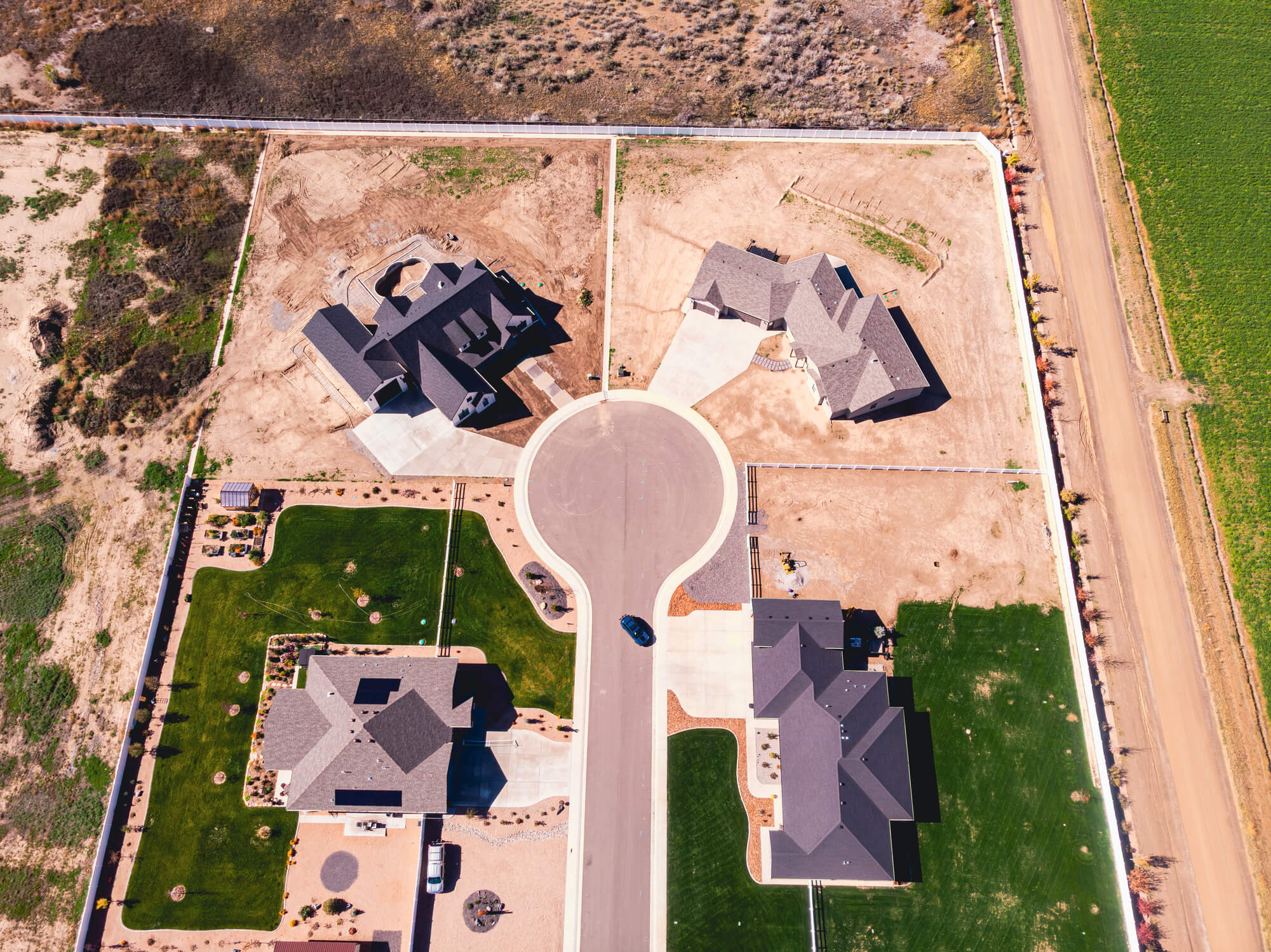
Despite all the headwinds, millions of Americans are still moving, forming households, buying homes, and building communities. That’s one of the key takeaways from Alexandra Both’s analysis of America’s newest neighborhoods—50 ZIP codes that barely existed a decade ago.
Across parts of Texas, Florida, Colorado, Tennessee, and beyond, entirely new communities are taking shape. Some neighborhoods have doubled, tripled, or even increased housing supply tenfold over the past decade.
The population is following. So are incomes, jobs, and the number of highly educated residents.
Fulshear, Prosper, Celina, Ponte Vedra, Timnath, and Banning Lewis Ranch aren’t growing by accident. They’re growing because they offer something increasingly scarce in America: a realistic path to homeownership.
In other words, the story isn’t simply that homeownership is becoming unattainable. The opportunity is becoming more geographically concentrated.
That’s an important distinction.
Many of America’s fastest-growing communities share the same ingredients: available land, expanding job centers, supportive development environments, and builders willing to add supply. In these markets, the path to homeownership remains attainable for families who have been priced out elsewhere.
For builders, this should serve as a reminder that housing demand has not vanished. It is relocating.
The future of homeownership may not be found in the markets struggling most with affordability. We’re increasingly building in growth corridors where supply, opportunity, and household formation can still move forward together.
The American Dream isn’t disappearing. In many places, it’s simply changing ZIP codes.
Read the full article here: America’s newest neighborhoods. 50 zip codes that barely existed a decade ago