


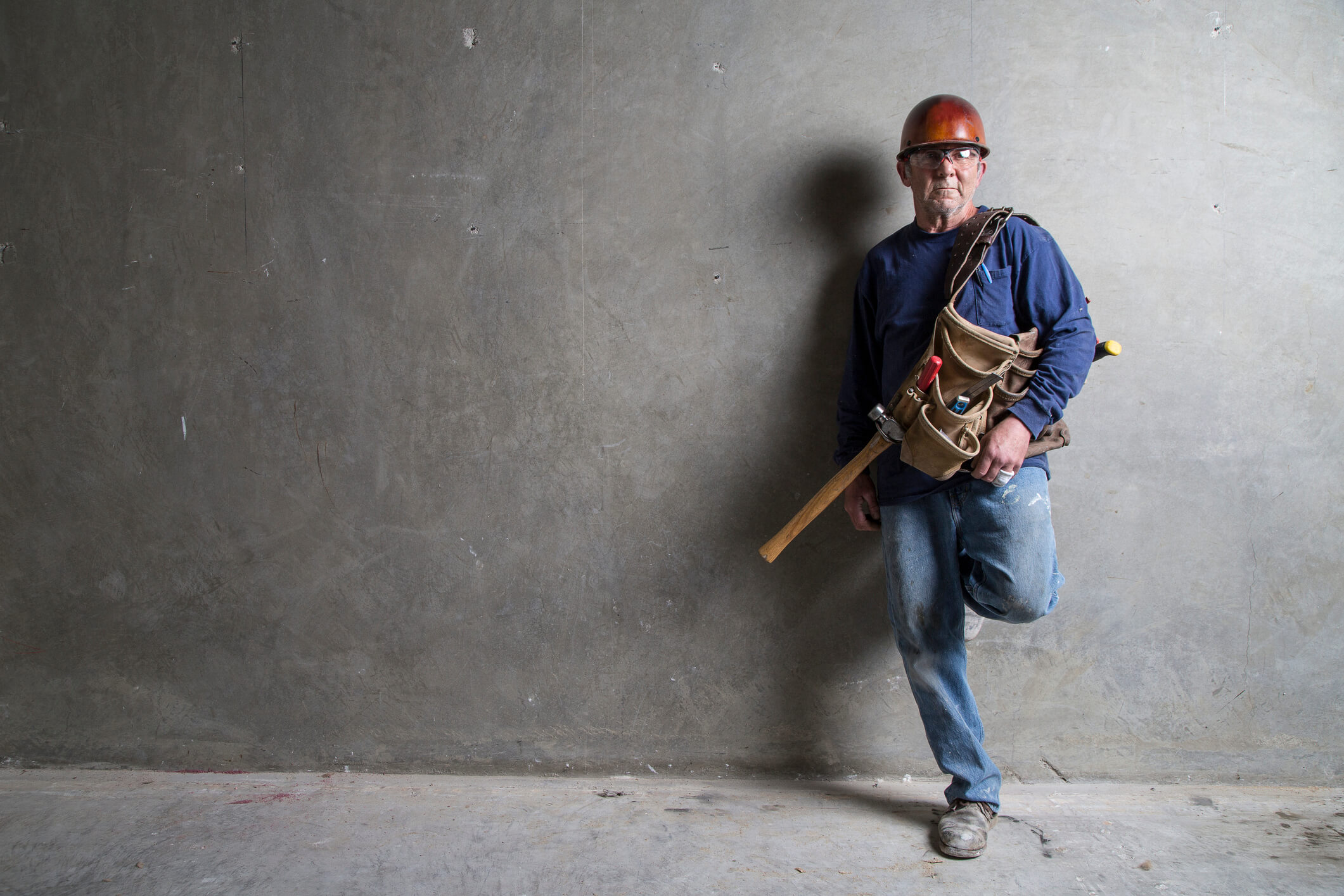
For decades, the cultural message was clear: go to college, get an office job, and leave physical work behind.
But a recent CNBC article featuring Randstad CEO Sander van’t Noordende suggests the economy may be shifting in a very different direction.
According to Randstad, skilled trade wages in the U.S. have jumped 30% since 2022, fueled in part by the explosive growth of AI infrastructure and data centers.
That’s the fascinating paradox underneath the AI boom: The digital revolution still requires an enormous physical foundation.
Data centers don’t build themselves. Neither do power systems, cooling infrastructure, utility upgrades, fiber networks, or the housing needed to support growing regions.
Someone still has to:
- wire it
- install it
- maintain it
- and build it
The economy may be rediscovering the value of physical competence at the exact moment skilled labor remains structurally undersupplied.
And increasingly, some white-collar workers are recognizing it too—trading in their cubicles and unstable office roles for careers tied to tangible, essential work.
For builders, this matters.
The long-term housing story may increasingly depend not just on financing, demand, or rates—but on whether there are enough skilled workers to physically build the future America is trying to create.
That labor dynamic could become one of the defining constraints of the next decade.